Natural phenomena
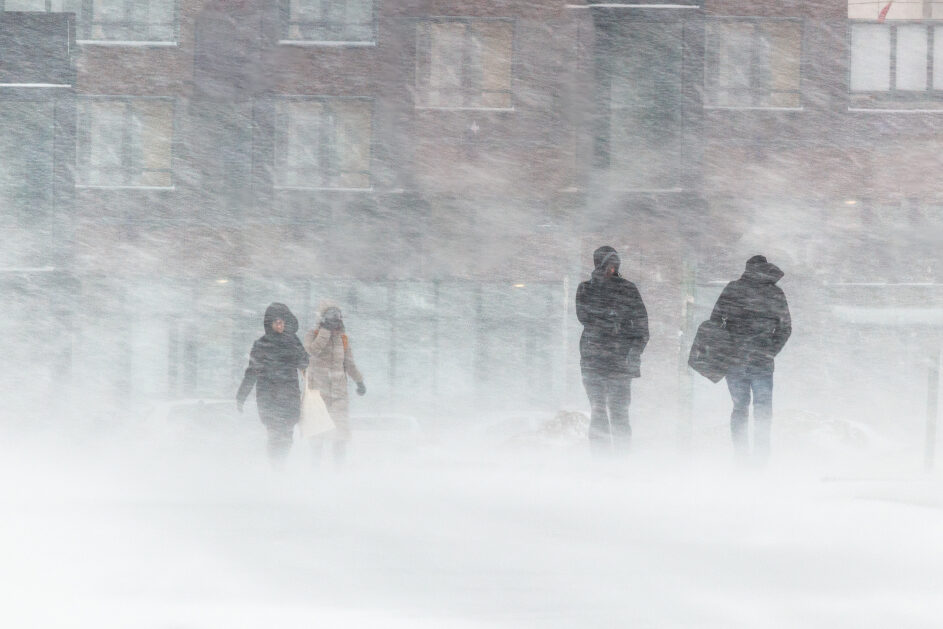
This page covers the following topics: storms, thunder and lightning, floods, heat, wildfires, frost and avalanches.
The effects of climate change are showing in Finland’s nature and weather
- Draught, floods and, for example, winter storms are increasing.
- Snowfall is decreasing, seas and inland waters are frozen for shorter periods of time and winters are rainier.
- Water pollution is increasing, which means that water bodies are becoming more eutrophic.
- Extreme weather events are becoming more common.
Source: Environment.fi
Prepare for storms!
- Follow the weather forecasts. Stay informed about upcoming storms, including their strength and duration.
- Keep your home emergency food supply stocked. Make sure you have food supplies, water and, if necessary, medications for at least three days.
- Get emergency supplies, such as a torch, batteries, a radio and a first aid kit. Make sure your phone is charged and, if possible, have a power bank at home.
- Make sure that your roof, windows and doors are in good condition. Secure loose items, such as outdoor furniture, and store them safely.
- Make a plan with your family on how you will stay in touch with each other during a storm and how you will look after your pets.
- Check your insurances. Make sure that your insurances cover storm damages.
- Follow the instructions and warnings issued by the authorities. They will let you know when it’s necessary to evacuate or take other measures.
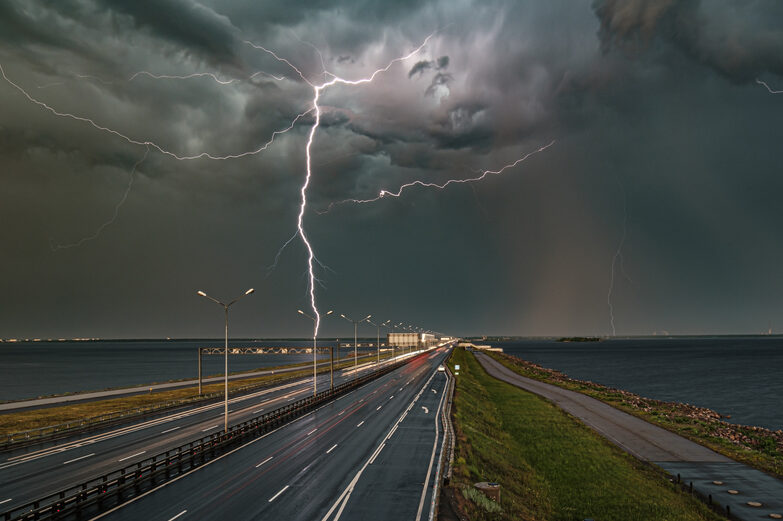
On average, the thunderstorm season in Finland lasts from May to September. Outside of this period, thunderstorms are rare.
Thunder and lightning
What causes thunder and lightning?
Thunderstorms are created by electrical discharges in the atmosphere. They generally happen together with heavy rain and strong winds. Before thunder, there are usually large and dark clouds.
When electrical charges are accumulated in clouds, they can discharge as lightning. Therefore, lightning is a strong electrical discharge that moves through the atmosphere.
How is the sound of thunder created?
The sound of thunder is created when lightning heats the air, creating a blast that moves in different directions at the speed of light.
Why is there a delay between thunder and lightning?
Because light moves faster than sound, you see the lightning first and hear the thunder afterwards.
The dangers of lightning strikes are similar to those of electric shocks. An electric current passing through the body damages tissue and disrupts the functioning of the heart and the brain.
When a person is struck by lightning, they must always be seen by a doctor, even if there are no visible injuries.
Thunderstorms can be dangerous in many ways
- Lightning strikes can cause fires and damage buildings, and strong winds can knock down trees, for example.
- Thunderstorms often cause power outages, and lightning can also strike a person.
- A lightning strike can cause, for example, respiratory or cardiac arrest, burns, ruptured eardrums or unconsciousness, which may lead to falls and injuries.
- Call for help and start CPR if the lightning victim is unconscious and not breathing normally. Each year, 1–2 people die in Finland as a result of a lightning strike.
You can touch a person who has been struck by lightning – the body does not store electrical current.
If the victim’s breathing is abnormal, begin CPR: 30 compressions and two ventilations.
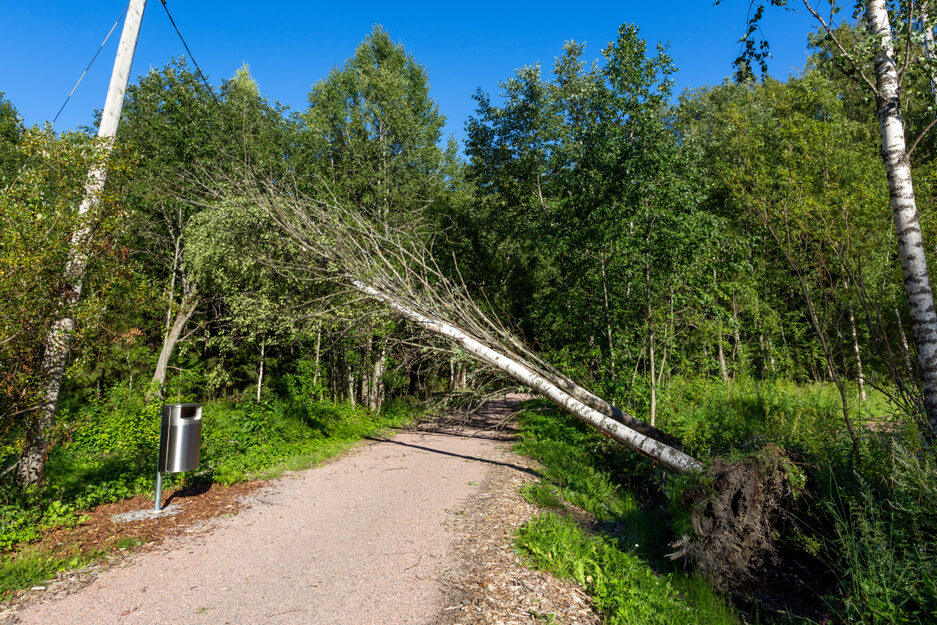
Do not touch power lines or trees, branches or other rubbish that has fallen on them.
Partially fallen or criss-crossed trees may have some voltage running through them. There is a risk of fatal electric shock.
How to protect yourself from a lightning strike
- When indoors, avoid using or being near electrical appliances and fireplaces, in particular. Although direct lightning strikes on houses are pretty rare, lightning aims to travel to the ground using conductive structures. This means that it can enter a building through a chimney or a TV antenna, for example, and strike people. Lightning can easily strike electrical and telephone lines, causing dangerous overvoltage. This is why you should not use electrical appliances. It is safe to use mobile phones.
- When inside a car , the metal shell prevents the electrical current from entering (the same applies to aeroplanes and covered boats, among others). However, in modern cars, the wind shield is larger and more slanted than before, and part of the roof can be made of glass, which means that there might be less of the protective metal above your head. Therefore, it is wise to stop the car and even move to the back seat, if possible.
- When on a bicycle or a motorcycle, you should stop riding and move away from the bike.
- When on the water, make sure you come ashore in good time. Lightning tends to strike water, so avoid the waterline as well.
- When outdoors, under no circumstances should you go under a tree or use an umbrella! A large tree can protect you from lightning only if you stand at a distance equal to the height of the tree and crouch down keeping your feet together. You should avoid high places and the waterline if you’re on the beach.
- When in an open area, crouching down is the only way to protect yourself. Rubber boots do not protect you from a direct lightning strike, but they can protect you from step voltage caused by a nearby lightning strike.
Source: Finnish Meteorological Institute
The likelihood of a lightning strike is very high, if your hair stands on end (or even if you just feel like it does) or if, for example, you see outbursts on nearby electricity poles or trees.
Flooding
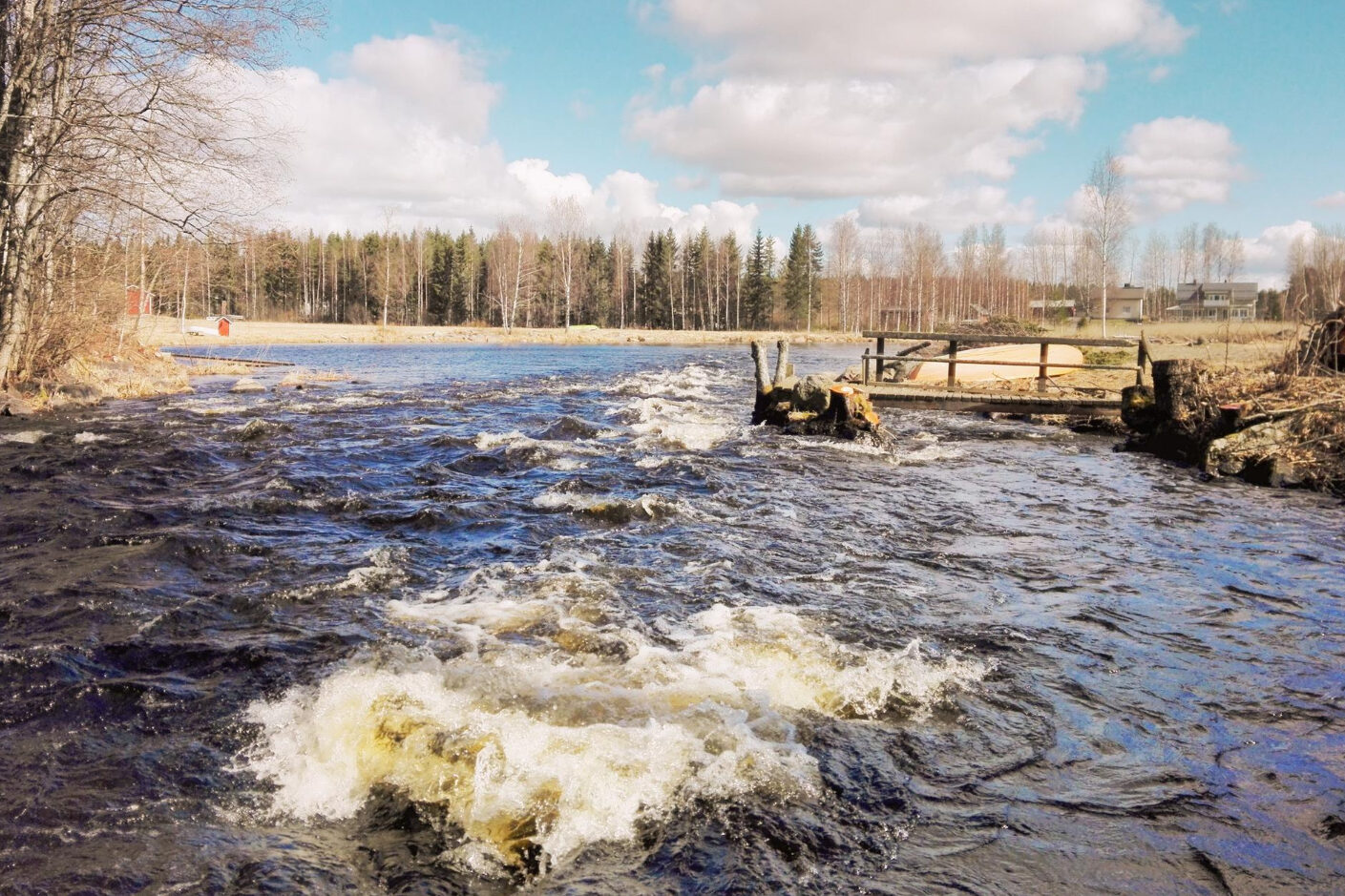
- Flood risks are expected to increase. Climate change will increase annual fluctuation, making floods more difficult to predict.
- Floods occur most frequently in low-lying coastal areas and along river banks, where there are few lakes in the catchment area to store water and regulate discharge.
- Winter floods may occur more frequently along waterways, especially in southern and central Finland.
- Extensive and severe flooding is rare in Finland, but small and local flooding is quite common.
Source: Vesi.fi (in Finnish)
How to prepare for flooding
- Find out if your apartment is in a flood risk area.
- Make a plan for flooding or familiarise yourself with your housing company’s rescue and flood plan.
- Keep your home emergency food supply stocked – enough food, drink medications and other supplies.
- Check that your insurance includes flood coverage and read the terms and conditions.
- Get supplies to protect your home and property. Move your valuables and hazardous materials to safety.
- Plan your escape route and move your car to a suitable location.
- Build flood barriers around buildings and protect electrical appliances and heating equipment.
Source: Vesi.fi (in Finnish)
Remember to take care of the safety of your pets.
If you have to evacuate your home, turn off the electricity and heating equipment and shut off the water.
Do this when you return to a flood area
- First of all, only return to the flood area after the authorities say it’s safe.
- Inspect the damage and start cleaning up.
- Do not turn on electricity and other devices until their condition has been verified.
- While cleaning, use protective gear and take care of hygiene.
- Contact your insurance company.
Heat
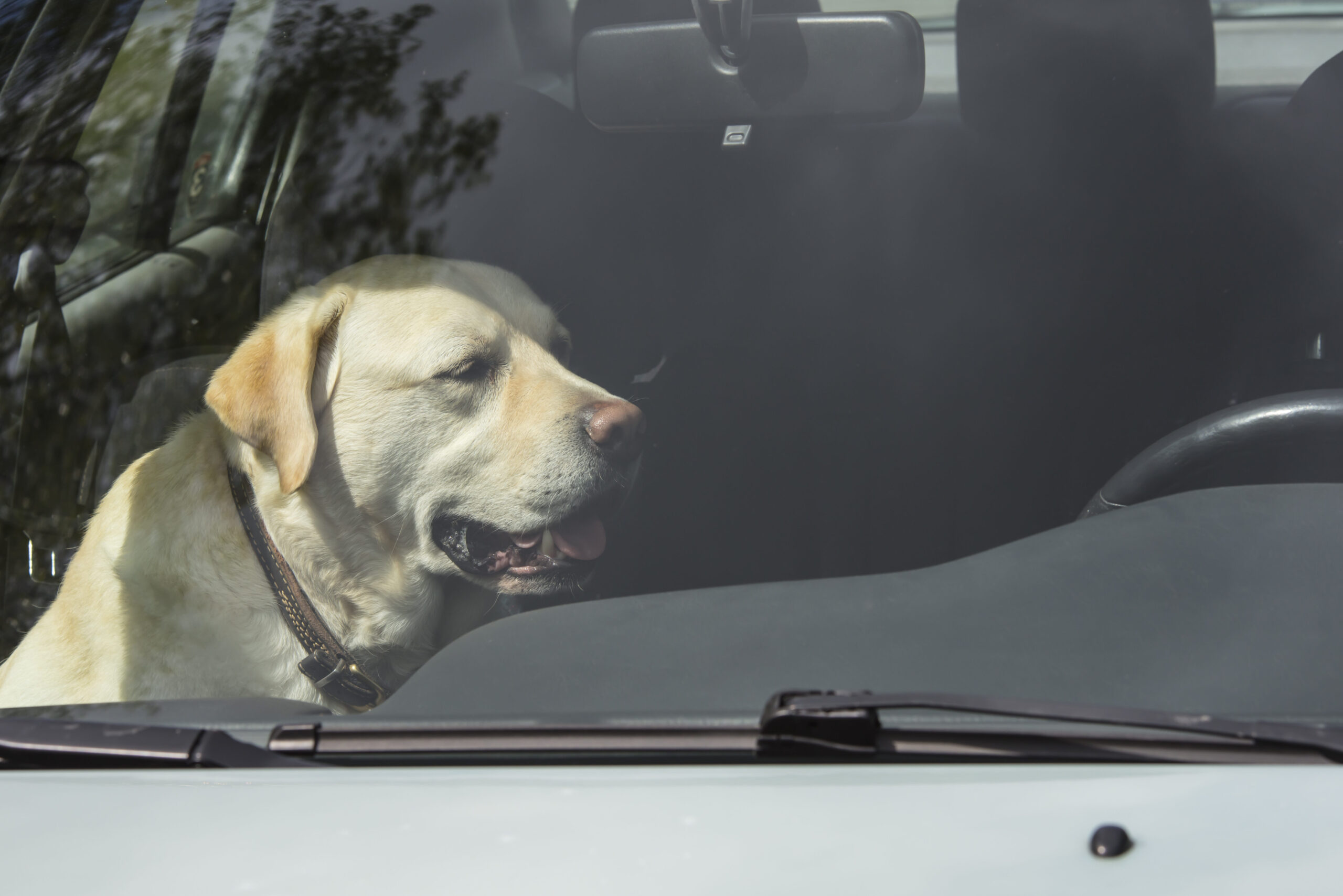
In a hot environment, the body’s thermal stress increases, and physical exertion increases it even further. The body tries to maintain its normal temperature by increasing peripheral circulation and sweating.
Health hazards associated with heat:
- Heat puts a heavy strain on the circulatory and respiratory systems.
- As peripheral circulation increases superficial blood vessels dilate, blood pressure drops and heart rate increases.
- Excessive sweating removes fluid from the body, which lowers the blood pressure even further and makes the blood thicker.
- Also, normal kidney function may be impaired.
Source: Finnish Institute for Health and Welfare (THL) (in Finnish)
Heat can cause fatigue, loss of concentration, dizziness, fainting, muscle cramps, rashes, swelling of the lower limbs and sunstroke.
If your body temperature regulation gets impaired or prevented, for example due to dehydration, it can lead to heat exhaustion.
If it gets worse, heat exhaustion can lead to heatstroke, which is life-threatening.
Symptoms and treatment of sunstroke and heat exhaustion
Sunstroke
Sunstroke is caused by direct heat radiation to the head and irritation of the central nervous system. Symptoms include headaches, nausea, dizziness and irritability.
A person suffering from sunstroke should be moved to rest in cool and shade. Their head should be elevated, and you should place a cool compress on their forehead. If their general condition worsens, you should contact a doctor.
Heat exhaustion
Heat exhaustion develops gradually due to dehydration and salt deficiency. Possible symptoms include intense thirst, heavy sweating or cool and clammy skin, weakness, headache, dizziness, irritability and nausea.
The symptoms of minor heat exhaustion usually subside when you drink more water and go rest in a cool place. You should take off some clothes. You can help your body cool down by fanning yourself and cooling your skin down with water. Cold compresses or cooling packs will also help.
If the symptoms are severe or persistent, contact a healthcare professional. In urgent emergencies, call the emergency number 112 (if the person is delirious or their level of consciousness is reduced).
Heatstroke is a life-threatening condition
When heat exhaustion gets worse, it can lead to heatstroke, which is life threatening. Heatstroke can develop very suddenly as a result of heavy physical exertion.
- In heatstroke, the body isn’t capable of dissipating heat sufficiently, sweating stops and the body temperature rises to above 40 degrees Celsius.
- Symptoms include hot and dry skin, weakness, headaches, nausea, impaired balance, shortness of breath, rapid and weak heart rate, abnormal behaviour or confusion, convulsions and sudden loss of consciousness.
If you suspect heatstroke, call the emergency number 112 immediately.
Source: THL (in Finnish)
First aid for heatstroke
-
Move the patient into the shade and into a cool area.
A person suffering from heatstroke must be moved into shade and into a cool area immediately. Their clothes should be taken off. You should start to cool down their body straight away by, for example, fanning them down or cooling the skin down with cool water. You can put cold compresses or cooling packs on their neck, armpits and groin.
-
Help the patient into the correct position.
If the person is conscious, they should be put in a reclining position or lying down with their feet slightly elevated. An unconscious person should be laid on their side.
-
Offer them something cold to drink.
If the person is conscious, you should offer them cold water or something else to drink, but no alcohol or caffeinated beverages.
-
Do not give them any fever-reducing medication.
A heatstroke patient should not be given any fever-reducing medication such as ibuprofen, paracetamol or aspirin.
Source: THL (in Finnish)
Wildfires
- Wildfires accelerate climate change, when tons of carbon dioxide get released into the atmosphere.
- Fires are a health risk and can also destroy valuable habitats, homes and livelihoods.
- In the past few years, there has been over 2,500 wildfires per summer season in Finland..
Natural causes of wildfires include lightning strikes, drought, strong wind and hot air.
However, the majority of wildfires in Finland are caused by human activity.
No open fires are permitted while a wildfire warning has been issued – not even on Midsummer!
- One spark is enough to start a wide-spread fire.
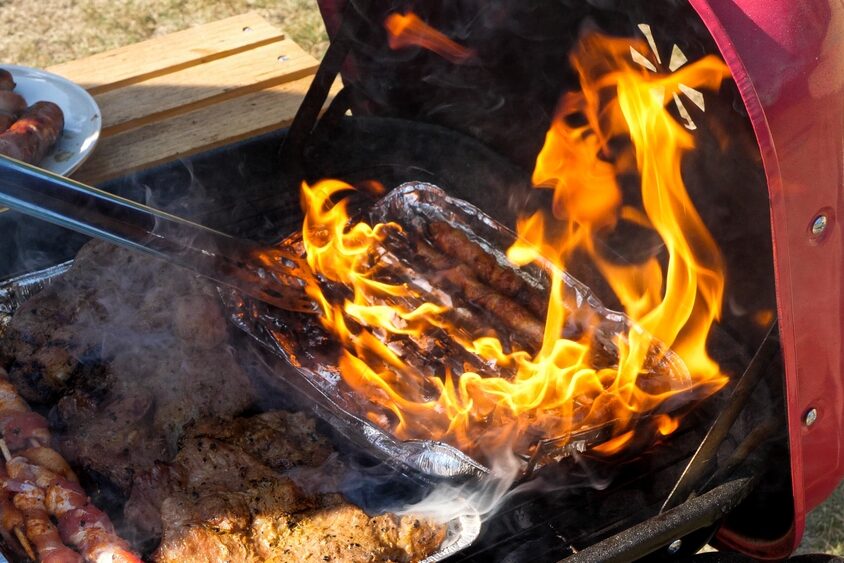
- Carelessness is often the cause of wildfires: a fire base left unattended, burning brushwood, grilling, cigarette butts, a bin set on fire maliciously…
- When the Finnish Meteorological Institute issues a wildfire warning, all open fires are prohibited even if it is Midsummer!
- An open fire refers to a campfire or a similar type of fire where it’s possible for the fire to get out of control, either by spreading along the ground or by sparks flying from it.
- This means that campfires, Midsummer bonfires and disposable grills are open fires too.
Did you know that wildfires in Finland are increasingly being detected by weather satellites? This is particularly helpful in sparsely populated areas.
This is how they find wildfires in Finland:
- people’s observations of smoke and odours
- aerial surveillance
- satellites
- drones
In order to prevent fires, it is essential to follow wildfire warnings.
The map image from the Finnish Meteorological Institute shows current warnings.
Finnish Meteorological Institute – Warnings
Frost
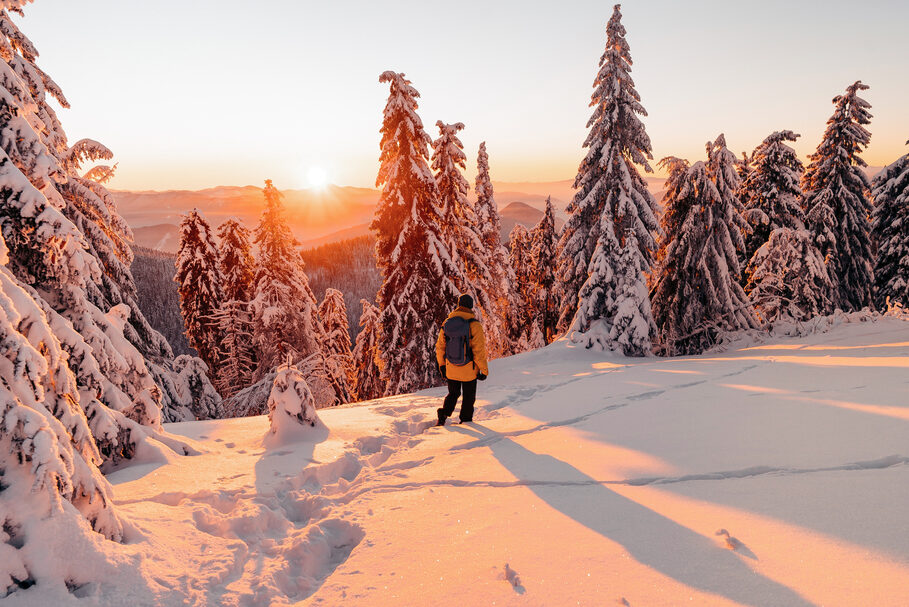
- Frost can cause frostbites. The parts of the body that are most vulnerable to frostbite are the extremities: fingers, toes, cheeks, ears and nose.
- Frostbite is usually caused by the combined effects of freezing temperatures and wind, but prolonged exposure to cold temperatures, even around zero degrees, can also cause frostbite.
Source: Terveyskirjasto (in Finnish)
As the external temperature drops, blood circulation to the skin decreases. In cold conditions, the mechanism for body temperature regulation aims to maintain the body’s core temperature. This is why the extremities are susceptible to frostbite.
Symptoms and treatment of superficial frostbite
Symptoms:
- Skin tingles and may feel painful.
- There is a white patch on the skin, and the site of the frostbite feels hard to touch.
- Slowly the skin gets numb and the possible pain stops.
Please note that a frostbite can also develop insidiously without any clearly noticeable symptoms!
Treatment:
- Warm the frostbitten skin area by, for example, pressing it gently with a warm hand.
- Warm the skin until it regains its normal colour and no longer feels hard or numb.
- Protect the warmed-up area with dry clothing.
- Do not rub the frostbitten site because it can make the injury worse.
Source: Terveyskirjasto
Symptoms and treatment of deep frostbite
Deep frostbites damage the subcutaneous tissue as well as the skin. The frostbitten area remains brittle at first and cannot withstand any strain. For example, frostbitten feet or toes cannot withstand walking. Particularly severe additional damage can occur if the thawed area freezes again..
Symptoms of deep frostbite:
- The frostbitten area is numb and hard to touch.
- During thawing, blisters can form.
- A badly frostbitten area can become gangrenous.
Treatment of deep frostbite:
- Protect the frostbitten area from cold.
- Immerse the frostbitten area in warm water of 40 to 42 degrees Celsius for about 20 to 30 minutes.
- Rapid thawing prevents frostbite from spreading. However, it is safest to perform the thawing in a hospital.
- Cover the injured area with a clean bandage.
- If the person is conscious, give them warm fluids, such as sweet-tasting berry juice.
- Deep frostbite should always be seen by a doctor.
- Keep the person suffering from frostbite warm because they may also suffer from hypothermia.
Source: Terveyskirjasto
Hypothermia
Symptoms of hypothermia
Hypothermia refers to a drop in normal body temperature to below +35 °C and the changes this causes in the body. When hiking, hypothermia is a risk, for example, if you fall into cold water, collapse in the snow in freezing temperatures or are exposed to cold winds for a long time. You can get hypothermia at all times of the year.
Symptoms:
– intense feeling of cold, chills, muscle stiffness
– impaired judgement (a person suffering from hypothermia may even start to take their clothes off)
– decreased level of consciousness, confusion
First aid for a hypothermia patient
– Take the shivering person to shelter from the cold and wind.
– Give them something warm to drink.
– Help the person to put on some dry clothes and wrap them in a blanket, plastic sheet or sleeping bag.
– Try to get the shivering person to move.
– Call the emergency number 112.
– You must not rub a patient suffering from hypothermia or warm them up too quickly. They should not be given cold liquids, alcohol or cigarettes.
Do this to prevent injuries caused by the cold
-
If you are at risk of cooling down, stay calm.
Don’t overestimate your strength, as performance declines rapidly in cold conditions.
-
Put on all of the clothes you have with you.
Also, find shelter from the wind and keep moving a little.
-
Drink a lot to avoid dehydration.
Warm, sugary juices are the best type of drink.
-
Do not use wind and cold creams.
In freezing temperatures, the skin’s own oils are the best protection against cold. Wind and cold creams can easily increase the risk of frostbite.
-
Make sure your face is covered well.
The cheeks, ears, nose and chin are most susceptible to frostbite, so you should warm them up with your hands every now and then. You should protect yourself against the wind with a scarf, face mask or some other way.
Source: Terveyskirjasto (in Finnish)
Avalanches
- Avalanches are possible also in Finland.
- Avalanches occur in fells and other steep, snow-covered areas.
- Those travelling outside marked trails, such as snowshoers or fell skiers, can easily end up in avalanche-prone terrain. For this reason, anyone travelling outside of marked trails should be aware of the types of terrain that are safe to travel on.
Source: Luontoon.fi
Being caught in an avalanche is life-threatening
- Those caught in an avalanche may get injured by obstacles in their path and buried under the snow.
- The person buried have very little time to survive – the chances of survival reduce significantly already after 15 minutes. This is why you should not travel alone in avalanche terrain.
- Every year, approximately 100 people die in Europe in avalanches while participating in winter sports. Most of them caused the avalanche themselves.
Source: Luontoon.fi
Don’t get caught in an avalanche
How to avoid avalanche terrain
- Stay on marked routes or on the slopes of the ski resort.
- An avalanche warning may affect the operating hours of some routes, so check the warnings for the route and find out when it is open. Some routes may stay closed for the whole winter.
- Stay on gentler slopes that are less than 25 degrees steep, away from steep slopes.
- Move on ridges and higher formations.
- Be particularly careful on natural slopes when visibility is poor – it is difficult to evaluate the surrounding terrain.
- Know where you are! Read a map and use terrain map applications on your phone. Don’t rely on your phone alone but also take a paper map with you.
How to figure out the probability of an avalanche
- Find out the avalanche risks of the area using the avalanche bulletins the Finnish Meteorological Institute publishes daily in Finland.
- More specific avalanche bulletins are compiled at Ylläs and at Pyhätunturi.
- It is also worthwhile to ask about the conditions from the people who know the area, as well as the nearby ski schools and guide services.
Report avalanche sightings to the service of the Finnish Meteorological Institute (in Finnish).
Educate yourself, get your gear, practise
If you are travelling in avalanche terrain, make sure that you have the necessary knowledge, skills and equipment, and that you have practised enough. Familiarise yourself with avalanche bulletins before you leave. The best way to avoid an avalanche is to stay away from avalanche zones: learn how to read a map and the terrain and choose a safe path. Watch out for signs of an avalanche, and, if needed, change your route.
When travelling in avalanche terrain, take these rescue tools with you:
- an avalanche transceiver
- a snow probe
- a shovel
- a mobile phone.
Remember to have your transceiver in transmit mode whenever you are travelling in an avalanche zone.
It is extremely important that rescuers are able to locate a person who is trapped under snow as quickly as possible. If the victim and the rescuers have the right tools and training, the chances of survival increase significantly.
Do this when an avalanche occurs
If you get caught in an avalanche:
- If you are in an avalanche zone when an avalanche occurs, try to descend diagonally away from the area.
- If you get caught in the avalanche, do everything you can to stay on the surface.
- If you find yourself buried in snow, try to keep your mouth and nose clear of snow so you can breathe.
If you see someone get caught in an avalanche:
- Follow the progress of those caught in the avalanche. Memorise the point where the victim disappeared beneath the surface.
- Call 112. Look for visual signs of the person buried in snow. During the search, the rescuers connect their transceivers to receive a signal from the transceiver of the person being rescued.
- For a more precise location, a probe that looks like a long tent pole is used. The probe is used to feel for the person buried in snow.
- Once the person buried in snow is located, they are dug out with a shovel.
- Even if no one was caught in an avalanche, it would still be good to notify the emergency response centre by calling 112.
Source: Luontoon.fi