
Emergency supply for pets

Attach a sticker to your flat door saying ‘Huoneistossa lemmikkejä’ (there are pets inside the flat) to help rescue services take into account any animals at the scene when responding to an emergency call.
You can also attach a note on the inside of the door saying what type of an animal you have, how old it is and where inside your home it may hide when it gets nervous or panicked.
We tend to forget water
You should remember to set aside the same basic supplies for your pets for at least three days as you would for any other family member: food, drink and, if necessary, medications.
Animals may have an even better emergency food supply than humans because animal food often comes in large bags. However, it is easier to forget to stock up on water.
The new Animal Welfare Act (693/2023) became effective on 1 January 2024.
According to the Act, mammals and birds must have constant access to water at their permanent establishment.
Prepare an emergency supply for pets
- Stock your cupboards with food that keeps well and that your pet normally eats.
- Get water. Unopened bottled water you buy from a store has a long shelf life. You should also have containers at home for collecting and keeping water.
- Reserve enough medication for your pet for at least for three days if it is on regular medication.
- Keep the pet’s veterinary papers, care instructions and crate or carrier handy.
- Remember that pets are sensitive to stress, so a pet owner should try to stay calm in the event of disruption. Don’t transfer your stress over to your pet.
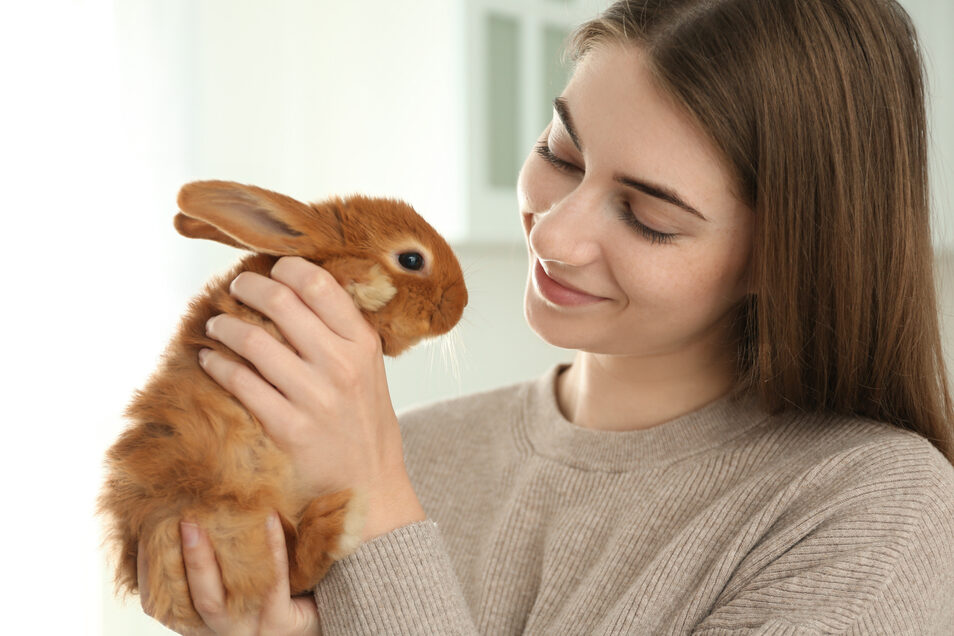
Take care of your pet’s mental well-being
- Make sure that your pet can fulfil its species-typical behavioural needs. It is a prerequisite for the well-being of every pet.
- Remember that a pet’s behaviour may become undesirable if the animal is frustrated or suffers from loneliness, for example.
- An animal requires attention and care every day, even during the holidays and busy periods. Many species also need the company of a human and/or its own kind to thrive.
Source: Companion and Hobby Animal Welfare Council
Prepare for this as well: noise sensitivity in a dog
Noise sensitivity in a dog
Noise sensitivity in a dog may significantly restrict the lives of both the dog and the owner. Struggling with fear may have an impact on the relationship between the owner and the dog and even lead to the dog being put down. That is why it is essential for a vet to be involved in treating noise sensitivity.
What is a noise sensitive dog usually afraid of?
A dog’s fear of noises is usually directed at fireworks and storms. A dog that is afraid of storms fears not only the sound of thunder but also the changes in the air pressure and the howling of the wind, among other things.
How does fear of noises manifest itself in dogs?
The dog shows symptoms of fear by making sounds, trembling, hiding, seeking attention, licking, panting and walking low to the ground. Being subjected to the objects of fear cause the animal a lot of stress.
Source: Tiina-Maija Sipilä: Koirien ääniarkuuden hoito (Treating noise sensitivity in dogs), licentiate thesis in Veterinary Medicine, University of Helsinki, 2017.
A dog’s noise sensitivity can be treated
A dog’s noise sensitivity can be treated with various psychopharmaceutical drugs, such as antidepressants and sedatives.
Another effective treatment is behavioural therapy, which includes, for example, various relaxation and desensitisation exercises.
Even though treatment is available and often effective, only a minority of pet owners seek help for the fear of their pets.