Water outages and contaminated water
The water distributed by the water utility providers in Finland is clean and healthy.
Why is there no water coming out of the tab?
- Water outages can be caused by, for example, a power outage or contamination of the water supply.
- Water supply outages may be planned and only affect one building. In critical situations, contact your property maintenance provider for more information.
- In all local water supply disruptions, check the website of the local water utility provider. The website contains information about ongoing water supply disruptions.
Finnish people consider water and electricity to be our most important resources.
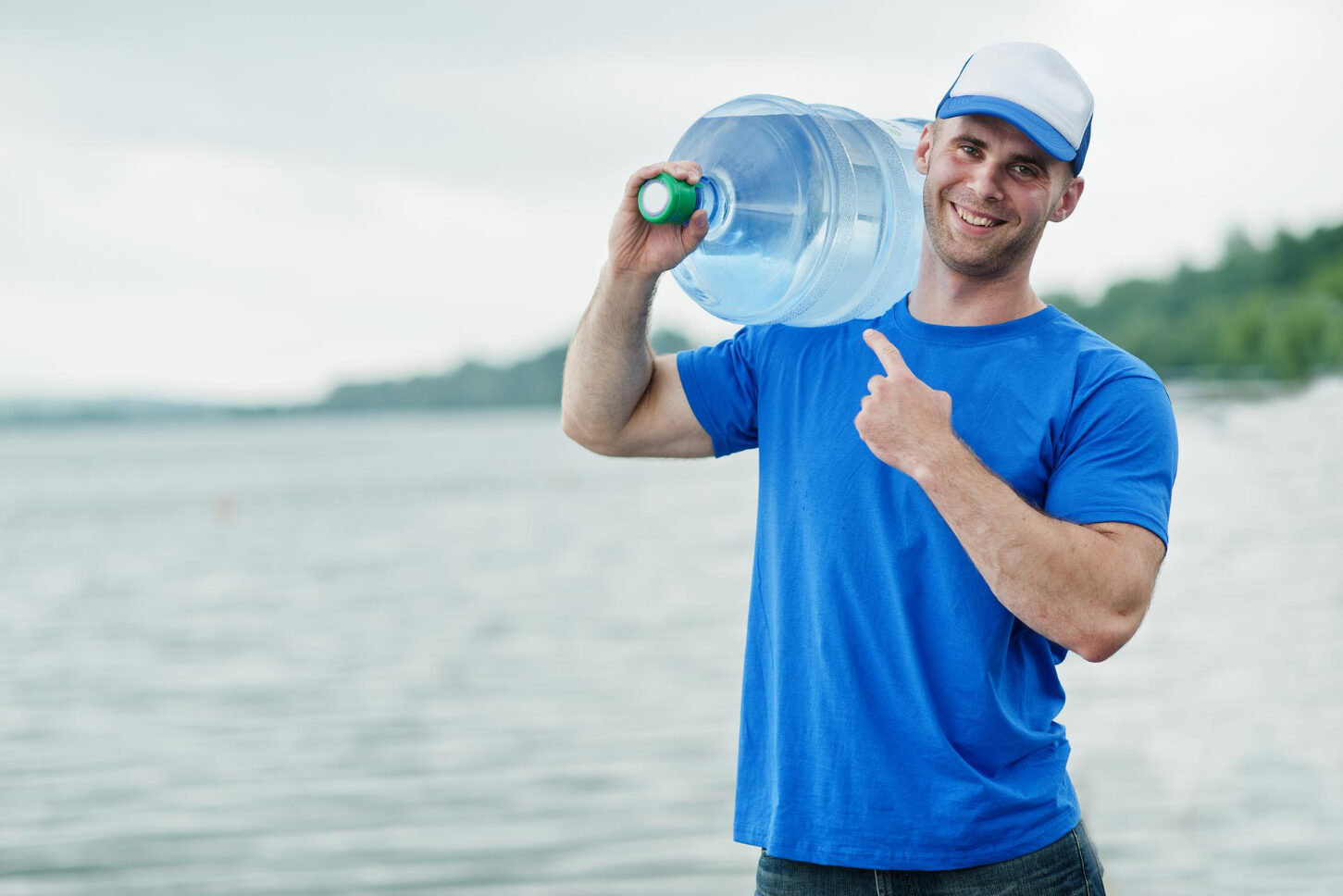
Prepare for a water outage with water
- Although backup water distribution is usually organised in the event of water supply disruptions that last longer than 24 hours, it would make matters easier if everyone had at least a few litres of bottled water bought from the store at home just in case.
- A person needs approximately two litres of clean drinking water a day.
- Water is also needed for cooking and personal hygiene.
- One or two buckets of water per person per day is usually enough.
Finnish people love to queue for free buckets.
It is very smart because you should have containers at home for collecting and storing water.
Do this if there is no water
-
At first, you need to manage with the bottled water you have bought for your home as an emergency supply.
Backup water distribution is usually organised in the event of water supply disruptions that last longer than 24 hours, which is why it is good to have lidded containers or canisters that can be used to collect water from distribution points.
-
Check if a neighbour or someone you know needs assistance carrying water.
-
During a water outage, the toilet can only be flushed once. Place a rubbish bag inside the toilet for relieving yourself. The used bag is sorted as general waste.
Contaminated drinking water
- The most common reason for health hazards related to domestic water is that there are harmful microbes in untreated water. The most common causes of epidemics are norovirus and campylobacter bacteria.
- Ground water wells can become contaminated if, for example, meltwater, floodwater or small animals get into them. Therefore, it is important to check the well structures regularly.
- The use of untreated lake or river water can also cause illnesses.
Pipe breakages cause health hazards too
- A pipe breakage is often revealed by the fact that drinking water is cloudy or has a strange colour.
- In such a case – or if you suspect someone has fallen ill because of the water – you should contact the water utility provider or municipal health protection authority.
Source: Vesi.fi
Do this if the water is contaminated
-
Prevent the use of contaminated water by taping a warning note over the tap, for example.
-
Follow announcements by the water utility provider and the authorities as well as their instructions on the use of water.
-
Do not use water during shock chlorination of water pipes.
-
If you have been given permission to use water after boiling, let the water boil for at least one to three minutes and cool it down before use. Boiling should kill most pathogens, such as bacteria and viruses.
-
When clean water is available again, be sure to clean all appliances and containers that may contain contaminated water, such as the coffee machine.
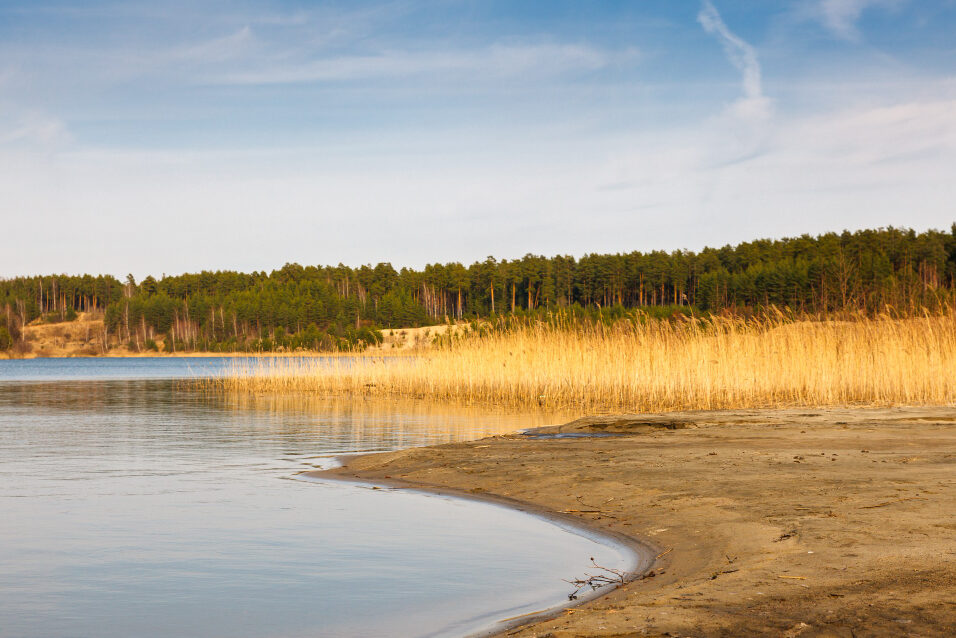
There is a bathing ban at my favourite beach – what has happened?
Even good quality bathing water may become contaminated. A bather can fall ill if they accidentally swallow water that has been contaminated by wastewater or the faeces of bathers.
A bathing water outbreak may also spread at the beach as a result of dirty toilet facilities and poor hand hygiene if pathogenic microbes end up in the mouth via dirty hands.
Outbreaks ravage beaches especially when there are large numbers of people there and they spend a long time in the water.
What contaminates bathing water?
Bathing water can become contaminated for many reasons, for example:
- microbes in the faeces of bathers
- other harmful microbes in the water
- sewage spill washed up on the beach
- faeces from wild animals or cattle grazing near the beach
- urban run-off
- impurities washed out of the soil by heavy rainfall or flooding
- chemical contamination, such as oil spills
- cyanobacteria, commonly known as blue-green algae, found in natural waters
The municipal health protection authority may order a bathing prohibition for a beach or recommend that bathing be avoided if it suspects that the bathing water may cause health hazards.
Source: Finnish Institute for Health and Welfare (THL), Environmental Health
Noroviruses cause the most bathing water outbreaks in Finland. Noroviruses are a common cause for stomach illnesses.
Viruses spread easily from person to person. You can also get them from dirty surfaces and water that’s been contaminated by a virus.
Other symptoms of norovirus include vomiting, diarrhoea and stomach pain.
How to prevent bathing water outbreaks
During bathing season, the quality of bathing water is supervised by the municipal health protection authority.
The prevention of outbreaks related to beach environments requires measures to be taken by both the beach users and the beach maintenance services.
Beach maintenance services:
- keep the washing, dressing and toilet facilities of the beach tidy
- equip the facilities with sufficient amounts of hand soap and hand towels, toilet paper and waste bins
- inform about the instructions issued by the municipal health protection authority and restrictions on the use of bathing water.
Beach users:
- don’t swallow bathing water
- are responsible for their own hygiene and use the washing facilities and toilets provided in the beach area
- change nappies somewhere else than in the bathing water, for example, in the toilets
- avoid going in the water if they have been vomiting or have diarrhoea
- read the current news concerning the beach that they are using and act accordingly.
Source: Finnish Institute for Health and Welfare (THL), Environmental Health