
Pets

Attach a sticker to your flat door saying ‘Huoneistossa lemmikkejä’ (there are pets inside the flat) to help rescue services take into account any animals at the scene when responding to an emergency call.
Checklist for anyone buying a pet 1/3
- Be ready to commit to owning a pet. Many animals live for years or decades, even.
- Be prepared for treatment costs. Keeping an animal costs a lot more than buying one. A dog costs approximately between 700 and 2,000 euros per year, a horse between 3,500 and 14,500 euros per year, a cat over 1,000 euros per year and a rabbit up to 1,000 euros per year.
- Learn how to take care of the pet well in advance, before you buy the animal, with the help of e.g. responsible breeders, veterinarians or animal caretakers, associations or literature.
- Look into the health situation of the animal and the breed you are considering. Choose a breed that doesn’t have any characteristics resulting from breeding that could compromise its health and well-being.
- Buy the pet from a trustworthy seller. You can recognise a responsible breeder by their interest in the pet’s future family and home, for example.
Source: Companion and Hobby Animal Welfare Council
Don’t buy a pet from dodgy sellers!
How to spot a puppy mill:
- the seller aims for quick sales
- they sell pets cheaper than normal
- they use a prepaid phone subscription for transactions
- they won’t let the buyer see the mother or the breeding conditions
- they don’t really tell much about themselves and the puppies
- they prefer to sell the pet in a public location.
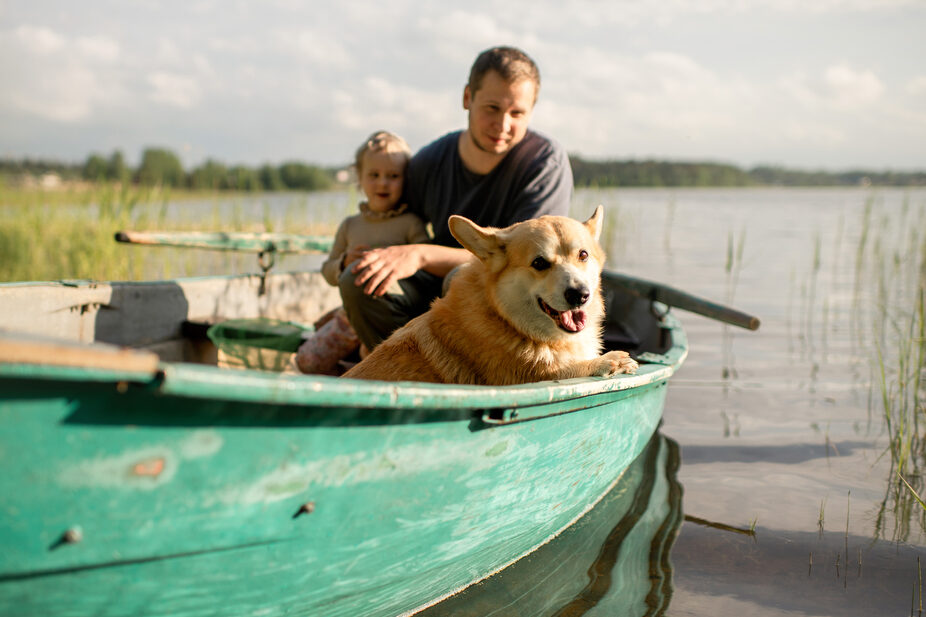
Checklist for anyone buying a pet 2/3
- Remember that a pet’s behaviour may become undesirable if the animal is frustrated or suffers from loneliness, for example.
- An animal requires attention and care every day, even during the holidays and busy periods. Many species also need the company of a human and/or its own kind to thrive.
- Make sure that your pet can fulfil its species-typical behavioural needs. It is a prerequisite for the well-being of every pet.
Source: Companion and Hobby Animal Welfare Council
Remember to get an emergency supply for your pets as well!
You need to set aside the same basic supplies for your pets for at least three days as you would for any other family member: food, drink and, if necessary, medications.
Emergency supply for pets
Checklist for anyone buying a pet 3/3
- No animal is naturally suited to living in a cage: a cage does not correspond to an animal’s natural habitat. For example, a rabbit needs a space the size of a room at minimum.
- Even a small pet requires space. For example, a tortoise needs a two-square-metre enclosure.
- Invest in a diverse and stimulating living environment, as the animal will usually spend its entire life there.
- Make your entire household safe for animals if the animal roams freely. For example, if you have cats, you need to put screens in your windows to stop them from escaping. In a rabbit household, electrical cables need to be protected from the teeth of the animals.
Source: Companion and Hobby Animal Welfare Council
Never leave a pet in a hot car!
When it’s sunny, the indoor temperature of a parked car can easily rise to over 40 degrees Celsius, so you must not leave a pet in a car, not even for a moment.
Excessive overheating of the pet’s body can cause a life-threatening shock and lead to death.
Heatstroke in pets
An animal in distress – when to call 112?
In emergency situations involving animals, it is useful to remember that you should only call the 112 emergency number if there is a significant threat to public safety or if special equipment or expertise that can be provided by the authorities is required.
- Animal-related situations that should be reported to the police include animal protection offences and public disturbances caused by animals, such as when an animal endangering traffic gets lost on a motorway or when a major predator is sighted in an urban area.
- The rescue services should be called if animals classified as property, such as farm production animals, are in urgent distress and rescue missions where a lifting platform or other special equipment is required. Such situations include rescuing an animal from a collapsed building or if an animal has fallen through the ice or down a well.
Source: 112.fi
Don’t risk your own life when rescuing a pet.
How to rescue a pet from a fire

When should you call the emergency number 112 on a matter related to an animal?
-
Call 112
for example, when a cow is stuck in a sludge well, a deer animal has fallen on ice, a child has been bitten by an adder, a deer animal or horse is running on the motorway or
a major predator is moving in an urban area. -
Don’t call 112
for example, when an animal is found dead, a cat refuses to come down from a tree, there are apparently orphaned young birds on the ground or an animal suffers a seizure.
Source: 112.fi