Disruptions

A disruption refers to a threat or an event that jeopardises the security and vital functions of society.
Examples of disruptions are prolonged power cuts, water-borne epidemics and serious natural disasters, such as storms or floods.
Only one in three people between the ages of 15 and 29 feel like they are prepared for disruptions.
Home emergency food supply
- According to the 72 hours preparedness recommendation, each of us should be prepared to cope independently at home for at least three days should a disruption occur.
- You should store at least three days’ worth of food supplies, water and medications at home.
- Remember to also prepare a home emergency food supply for your pets.
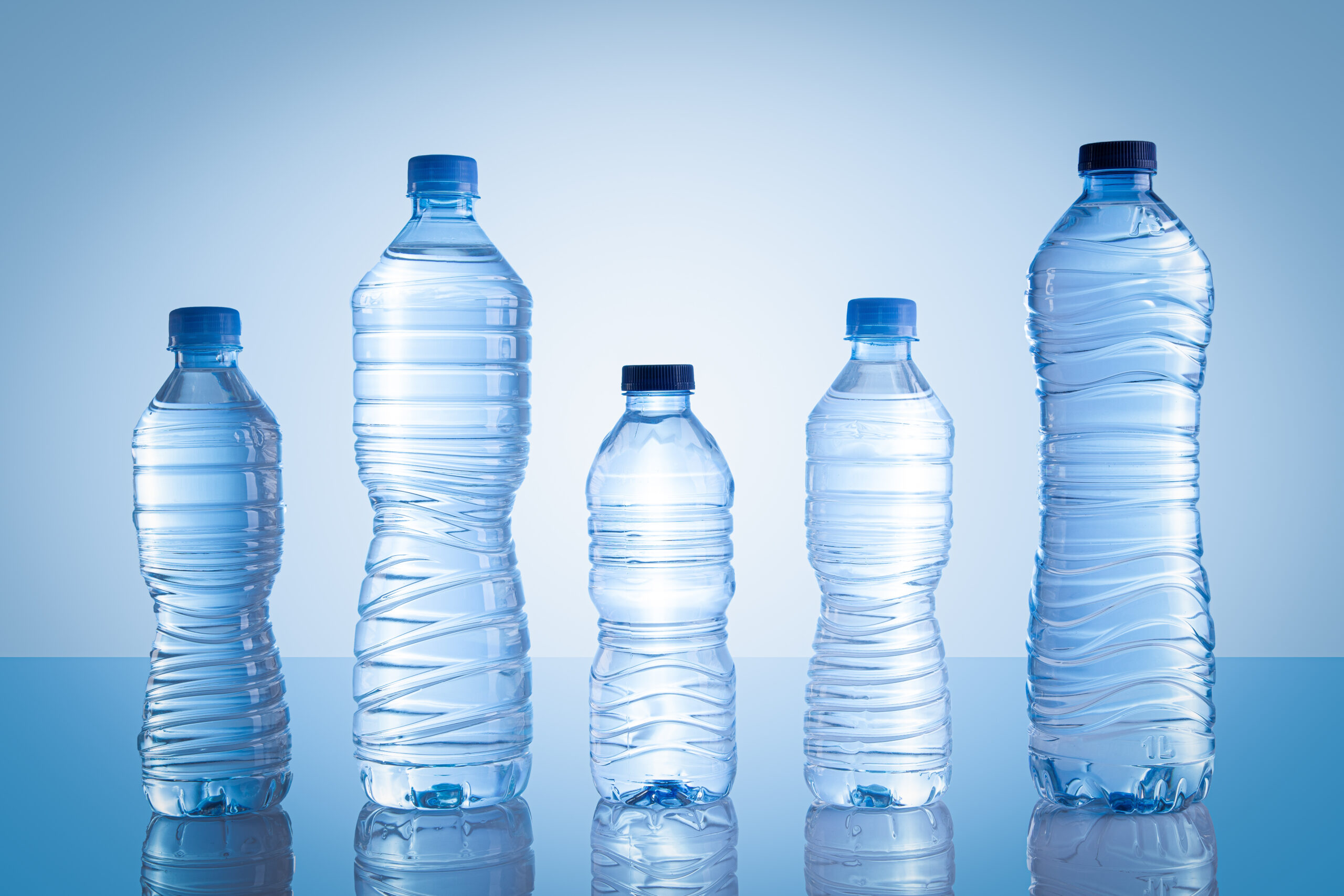
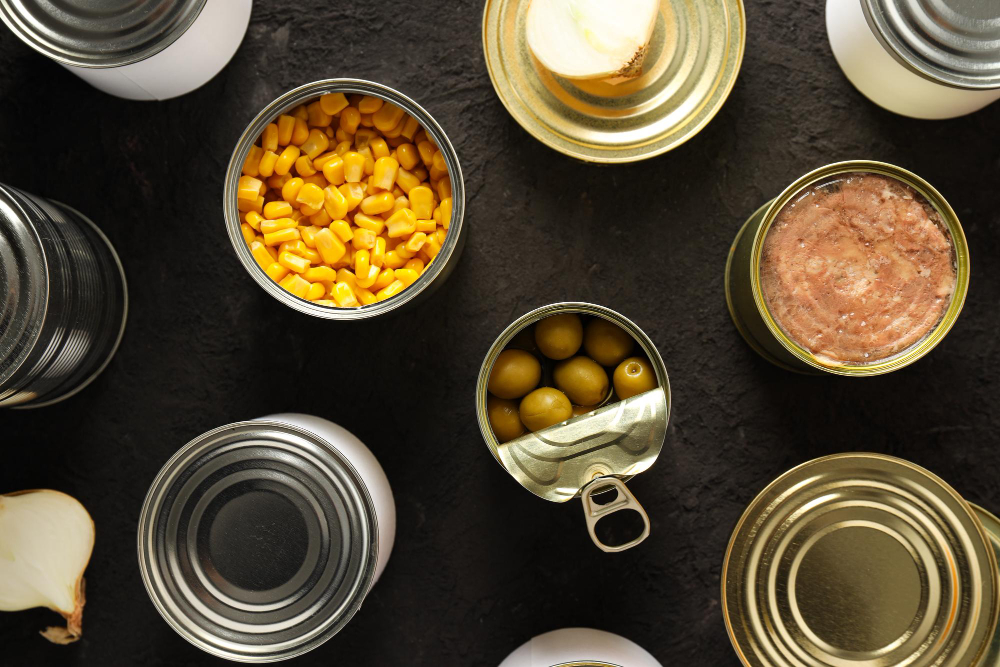
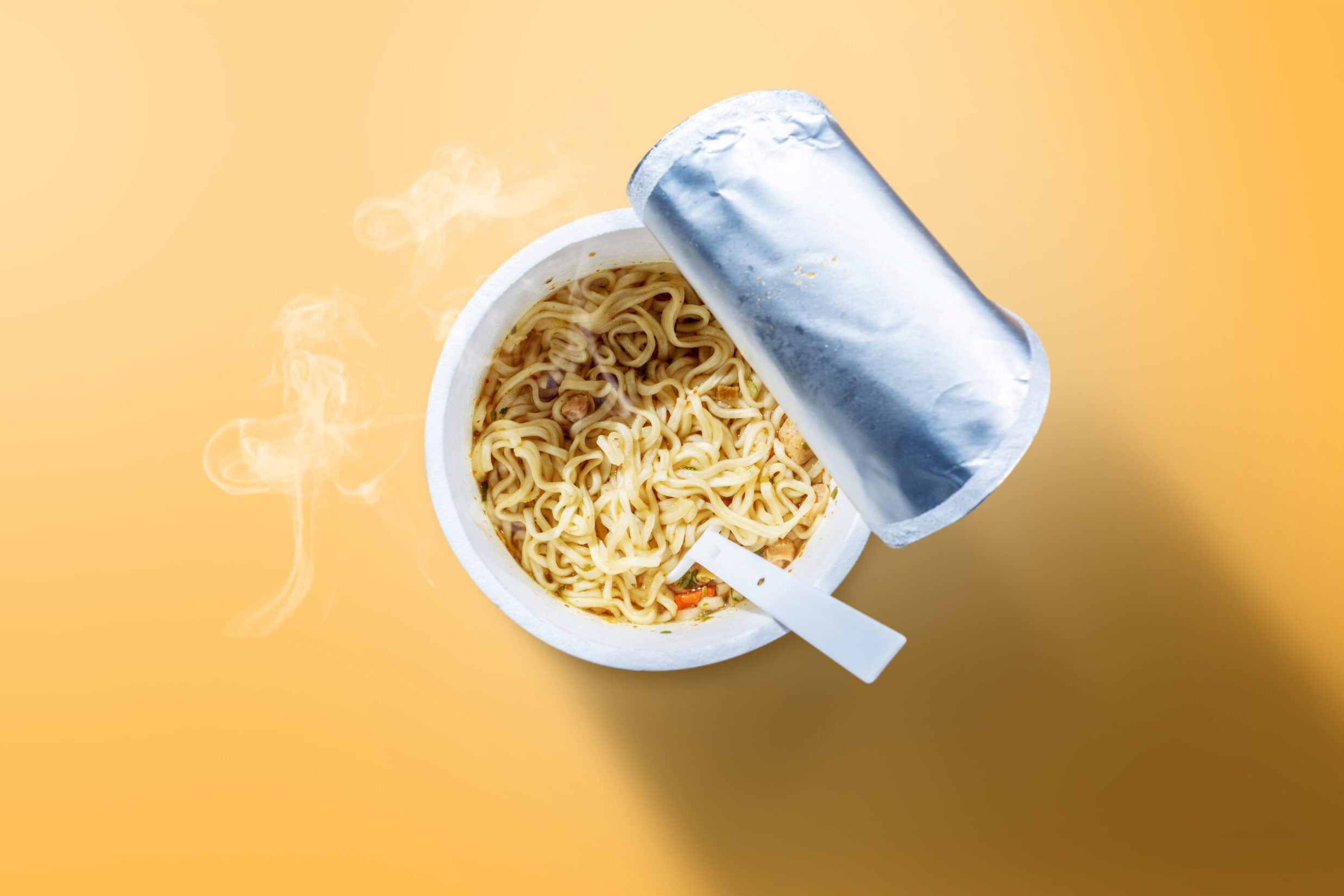
Stock up on food and drink products such as these for your home emergency food supply





However, nutrition alone is not enough
Having enough food and drinks gives you the reserves of energy needed to cope with disruptions, but preparedness stands for a lot of other things too.
- Do you know how to prepare for power outages at home, and what to do when they happen?
- And what should you do in the event of a water outage?
- Do you know where you can get reliable information during disruptions?
Check out the ’Power outages’, ’Water outages and contaminated water’ and ’Communication and reliable information’ sections.
Sheltering indoors
Examples of situations that require sheltering indoors:
- there’s a fire in the surrounding area that causes high levels of toxic smoke
- there’s a risk of a gas leakage due to an accident involving dangerous substances
- there’s a risk of radiation due to a nuclear power plant accident, for example
Remember that some dangerous substances are odourless and colourless. Radiation or some toxic gases cannot be detected by the senses.
- When you hear the public warning signal (a one-minute long rising and falling sound signal or a warning announced by the authorities), take shelter indoors and also move your pets indoors.
- More detailed instructions for taking shelter indoors can be found in the ’Radiation’ section.
By taking appropriate precautions, people help not only themselves and their loved ones but also society as a whole.

What are emergency conditions?
In Finland, emergency conditions are defined in the Emergency Powers Act. According to the Act, emergency conditions means:
- an armed attack or another attack of comparable severity against our country
- a considerable threat of an armed attack against our country
- a widespread economic crisis threatening society or the population
- a particularly serious major accident
- a very widespread outbreak of a hazardous communicable disease
- a hybrid threat that broadly jeopardises critical functions of the society or the livelihood of the population
Emergency conditions come into effect when the Government, in co-operation with the President of the Republic, announce that there is a state of emergency in the country.
Read the full definition of emergency conditions from the Emergency Powers Act.
Civil defence shelters
- A civil defence shelter refers to a separate space or a separate building that has been built within or adjacent to a building. Its purpose is to provide protection for the population in areas where people normally move, go to work and live.
- In emergency conditions, it may be necessary to resort to civil defence shelters. The authorities decide when civil defence shelters are put into use.
- Most of civil defence shelters are located in residential and public buildings.
- You can recognise a civil defence shelter from its international sign, which is a blue triangle on an orange background.
What do civil defence shelters protect people against?
Civil defence shelters protect people against:
- effects of explosions and shrapnel effects
- building collapses
- pressure waves
- fires
- chemical warfare agents
- ionising radiation.
More information about civil defence and civil defence shelters can be found from the website of The Finnish National Rescue Association (SPEK) (in Finnish).
Take action for safety – download the 112 Suomi mobile app!
Through the app, you will receive public safety alerts and notices directly to your phone. The app also provides instructions on how to prepare for various disruptions. The instructions can also be read in the app when the network connection is down, that is, in offline mode.
Download the free 112 Suomi mobile app
Instructions on how to report an emergency
-
Call the emergency number 112.
Only call in urgent, genuine emergencies when someone’s life, health or property or the environment is under threat or in danger. If you use the 112 mobile app, remember to make the call through the app. This way, your location information will be forwarded to the emergency response centre automatically.
You can also call the emergency number 112 using a foreign mobile phone subscription. Even then there’s no need to use a country or area code: just dial 112.
-
You can also send a text message.
If necessary, you can also make an emergency alert by sending an SMS to the number +358 112.
The use of emergency SMS messages is primarily reserved for individuals who cannot hear or produce speech. An emergency text message can only be sent from a pre-registered phone number. A number can be pre-registered on the Suomi.fi website.
-
Do not call or text the emergency number in the following situations:
if the situation is not urgent, if you have general enquiries or want to ask a question or if you are reporting a disturbance where no one is in danger.
Source: Suomi.fi