
Heatstroke in pets
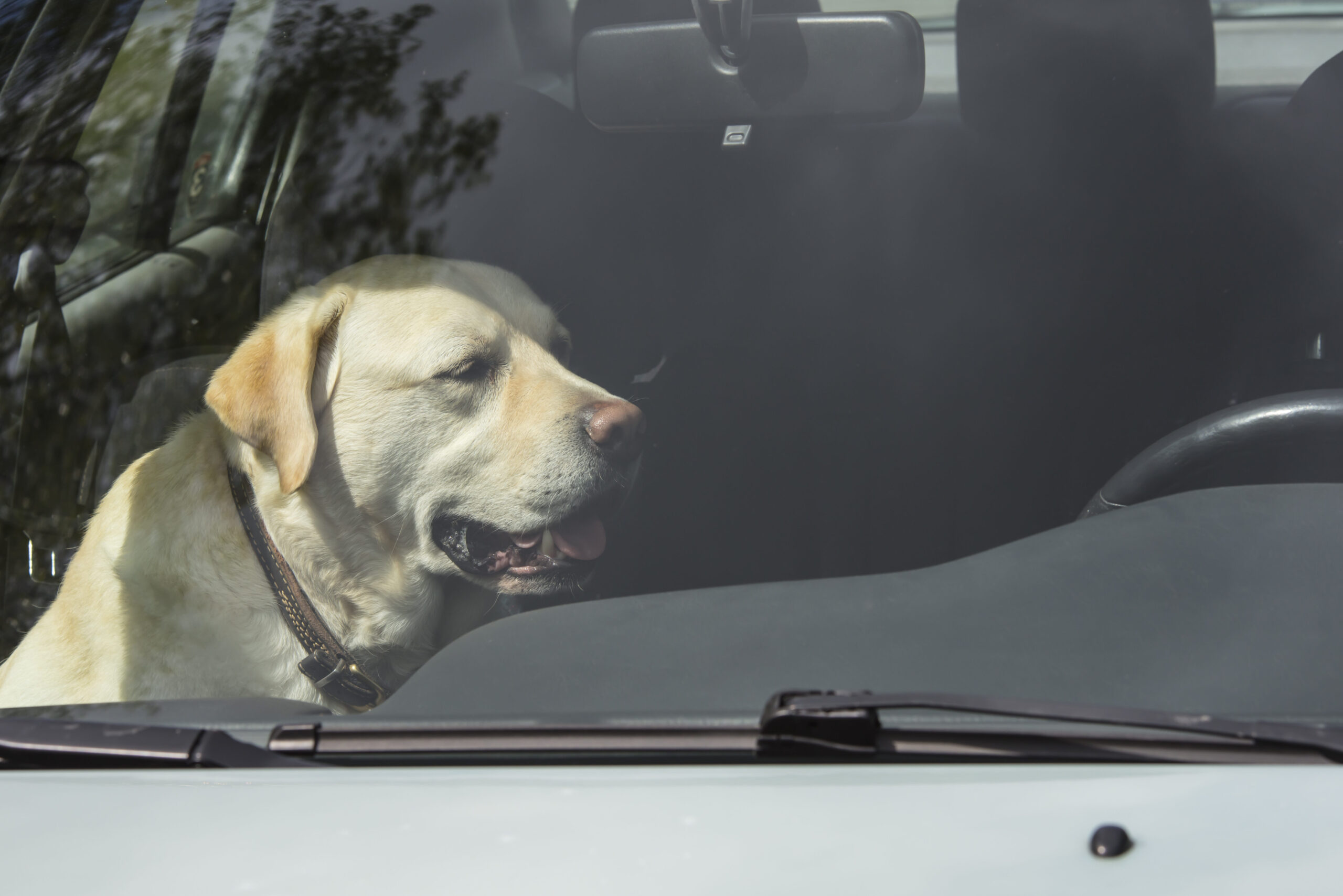
Pets cannot control their body temperature the same way humans can
Pets, such as dogs, cannot control their body temperature by sweating like humans can.
Dogs pant and dissipate heat through their paws to cool themselves down, but rabbits, for example, cannot pant or sweat.
- An animal is at risk of heatstroke if its body temperature rises too high.
- If a dog or a cat suffers from heatstroke, it will first start to drool and pant heavily, and will otherwise appear uncomfortable.
- Small pets, such as rabbits and guinea pigs, seem weary and breathe short, sharp breaths.
Sources: The Finnish Kennel Club and Helsinki Humane Society Hesy
The normal body temperature for a dog or a cat is between 38 and 39 degrees Celsius. If their body temperature rises above 41 degrees, it can be life-threatening.
The most common causes of heatstroke
- One common cause of heatstroke in dogs is being locked inside a warm car or some other warm space that has no ventilation.
- A dog can also suffer from heatstroke if it is in the sun for too long without the possibility of getting into the shade or somewhere cool.
Symptoms of heatstroke in dogs
- heavy panting, drooling, restlessness and apathy
- staggering, bright red mucous membranes
- diarrhoea, vomiting
What do to if my pet has a heatstroke?
-
Act fast.
The first thing to do is to immediately move the pet into a cool and shaded space indoors.
-
Cool the animal down.
Put damp towels on top of the animal.
-
Pour some water on the animal.
Pour some water on the dog’s paws, stomach and ears, but make sure the water isn’t cold.
-
Offer some water.
Offer the animal some fresh, cool water.
-
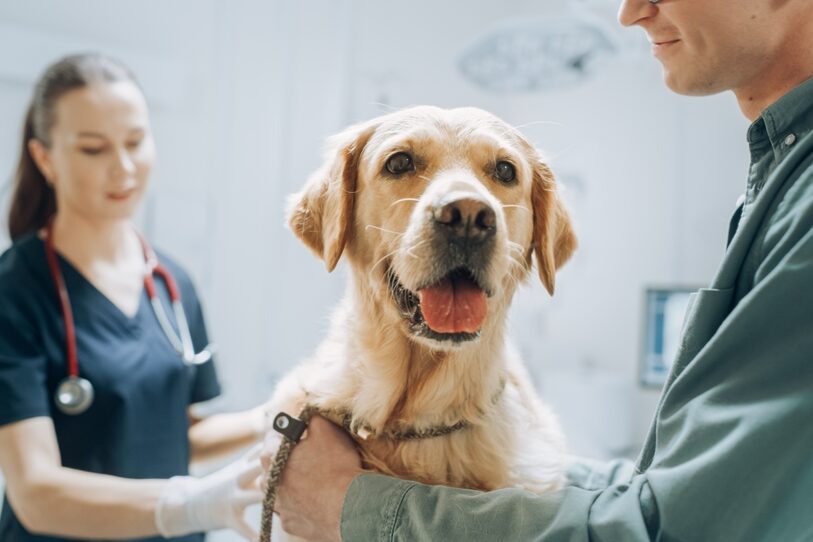
After first aid, go see a vet.
Take your pet to a vet if its condition does not improve soon.
What can I do to prevent a pet’s heatstroke?
-
Don’t leave your pet inside a car in the summer; not even in shade with the windows down.
-
On warm days, keep your pet in the shade and make sure it has access to fresh drinking water. Never leave a dog tied up in a sunny location.
-
Avoid running or cycling with a dog when it is warm outside. On hot summer days, take the dog for a walk when it is cool outside.
-
Trimming the coat can help some dog breeds but remember that the coat also protects them from the sun and insects. Regular brushing helps cats.
-
How asphalt can burn your dog’s paws. Protect the paws with cream and opt for grass instead.
Sources: The Finnish Kennel Club and Helsinki Humane Society Hesy