Sports-related accidents
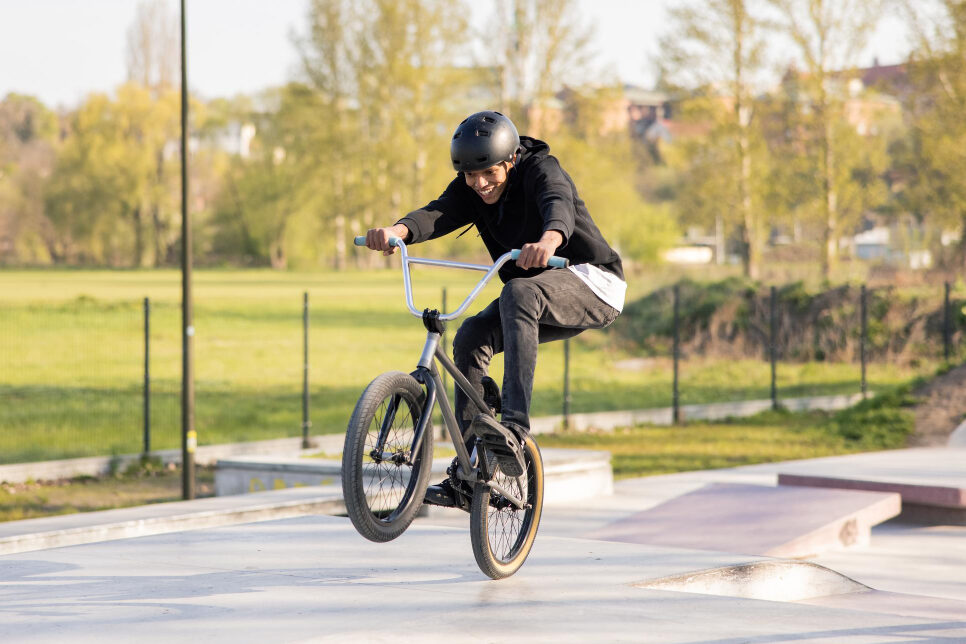
Hundreds of thousands of sports-related accidents occur in Finland every year
The most common accident at home or during leisure time is a fall, and the second most common is some sports-related accident.
Approximately 420,000 sports-related accidents occur in Finland every year. Most injuries are sustained by young adults.
- Football, floorball and jogging are the sports that cause the greatest number of sports-related accidents.
- Motorsports, orienteering, certain martial arts, skiing and snowboarding are also among the riskiest sports.
- The most common sports-related injuries affect knees, ankles or the back.
Source: Kotitapaturma.fi
Be aware of your own limits and skills.
Prevention and treatment of sports-related injuries is super important
- Several studies have shown that sports-related injuries have long-term consequences for a person’s functional capacity, health and well-being.
- A sports-related injury can reduce the desire to exercise, lead to weight gain, cause depression and impair quality of life.
- A sports-related injury sustained at a young age clearly increases the risk of early osteoarthritis.
Source: UKK Institute
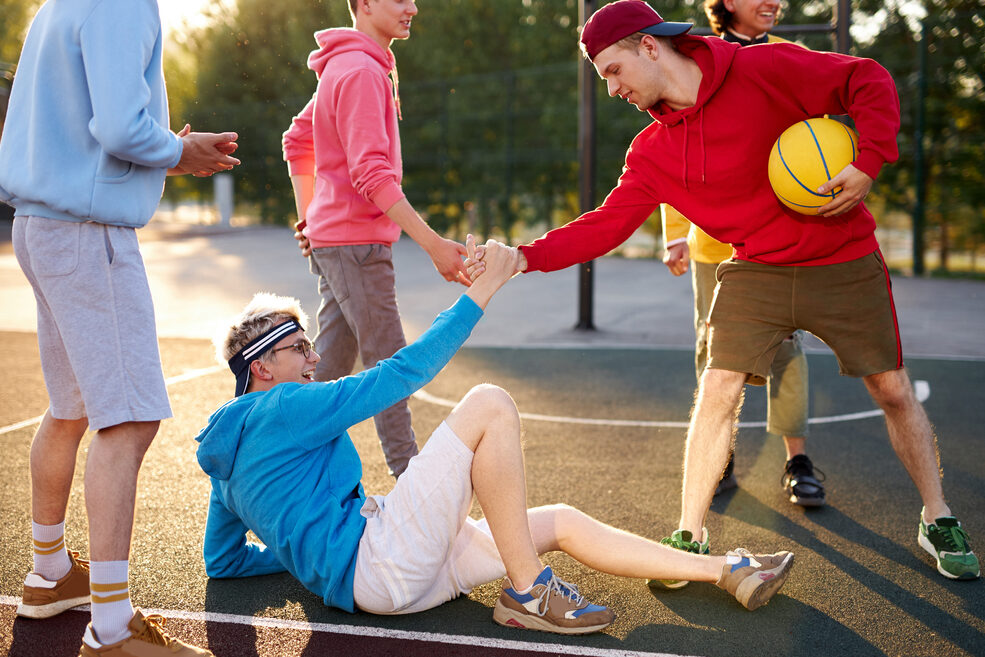
How to prevent sports-related accidents?
-
Be aware of the requirements and risks of your sport of choice.
Learn the basic skills and techniques required for the sport.
-
Make sure your old injuries are properly treated.
Also be aware of how your health and age affect your skills.
-
Remember to do warm-ups!
Warm up and stretch before exercising and perform at the level that suits your own fitness level and ability.
-
Take care of your equipment.
Increase your training gradually and always use appropriate equipment and protective gear, such as a helmet and safety goggles. Follow the rules of the sport.
-
Only do sports when you are healthy and sober.
Don’t exercise when you are ill or under the influence of alcohol or other intoxicants.
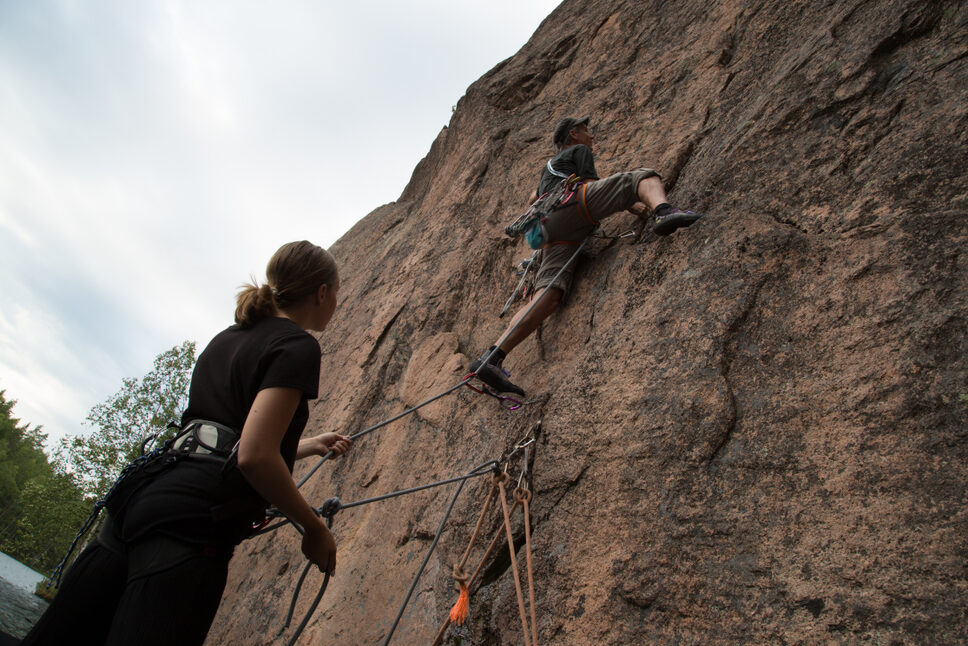
Do this when an accident occurs
-
Recognise an emergency and call 112.
Call 112 in case of an emergency, such as a head injury that has caused loss of consciousness, neck injury, open fracture, severe bleeding or blunt force trauma to the neck area.
-
Visit the emergency department, if, for example, you believe there’s a fracture.
Contact the emergency department in case of, for instance, a head injury without loss of consciousness, suspected fracture, lower limb injury (if you can’t put weight on the foot), upper limb injury (if movement is restricted), chest injury or eye injury.
-
See a doctor if a strain is bothering you.
If necessary, consult a doctor or physical therapist even for minor injuries, such as sprains, strains or bruises.
Source: UKK Institute
The guidelines for first aid and treatment of sports-related injury PEACE & LOVE replace the previous ICE guidelines (ice, compression, elevation).
Download the infographic: First aid and treatment of sport-related injuriesPEACE – Immediate care after the injury
PROTECT
- Avoid activities and movements that increase pain during the first few days after injury in order to reduce bleeding and to prevent further damage.
ELEVATE
- Elevate the injured limb higher than the heart to facilitate the removal of tissue fluid.
AVOID anti-inflammatory modalities
- Avoid taking anti-inflammatory medications and icing. Anti-inflammatory drugs and prolonged cold therapy can reduce tissue healing. Preferably use paracetamol for pain relief.
COMPRESS
- Use elastic bandage or taping to reduce swelling and internal bleeding in the injured area.
EDUCATE
- Patients should be encouraged to rehabilitate themselves and must be given a realistic picture of how long recovery will take.
Source: UKK Institute
First aid for sports-related injuries aims to reduce bleeding and swelling in the injured area. The less bleeding and swelling there are, the faster the healing process will be.
LOVE – Subsequent management after the acute stage
LOAD
- The new guidelines emphasise increasing the load and returning normal activities as soon as symptoms allow.
OPTIMISM
- It’s easier said than done, but a positive attitude has been proven to promote healing.
VASCULARISATION
- Aerobic exercise that is started a few days after the injury stimulates blood circulation and speeds up healing.
EXERCISE
- Restore mobility, strength and proprioception by starting rehabilitative training soon.
Source: UKK Institute