Take care of your loved ones

Each one of us has a need to belong to some group.
A sense of community is built through interaction, shared activities, meaningful relationships and trust.
Each one of us can help in some way
Nobody should be left alone in case of an emergency or a crisis. Think ahead about how you could help your loved one or, for instance, the family with children next door in an emergency.
Remember that people have different ways of reacting to crises. Some may seem numb, while others appear to continue living as before. It is not necessarily possible to determine what a person is actually feeling and how they experience the situation based on their external habitus.
Don’t hesitate to offer help. Help according to your own capacity.
You don’t have to do anything big. Each one of us can help in some way.
Ask and check
- If you are worried about a loved one, just ask them how they are doing.
- Ask if there is any way you can be of help to them or if they need support with anything.
- One way to bring up your concern is to say: I’ve noticed that you have seemed anxious for a while now. Has something bad happened?
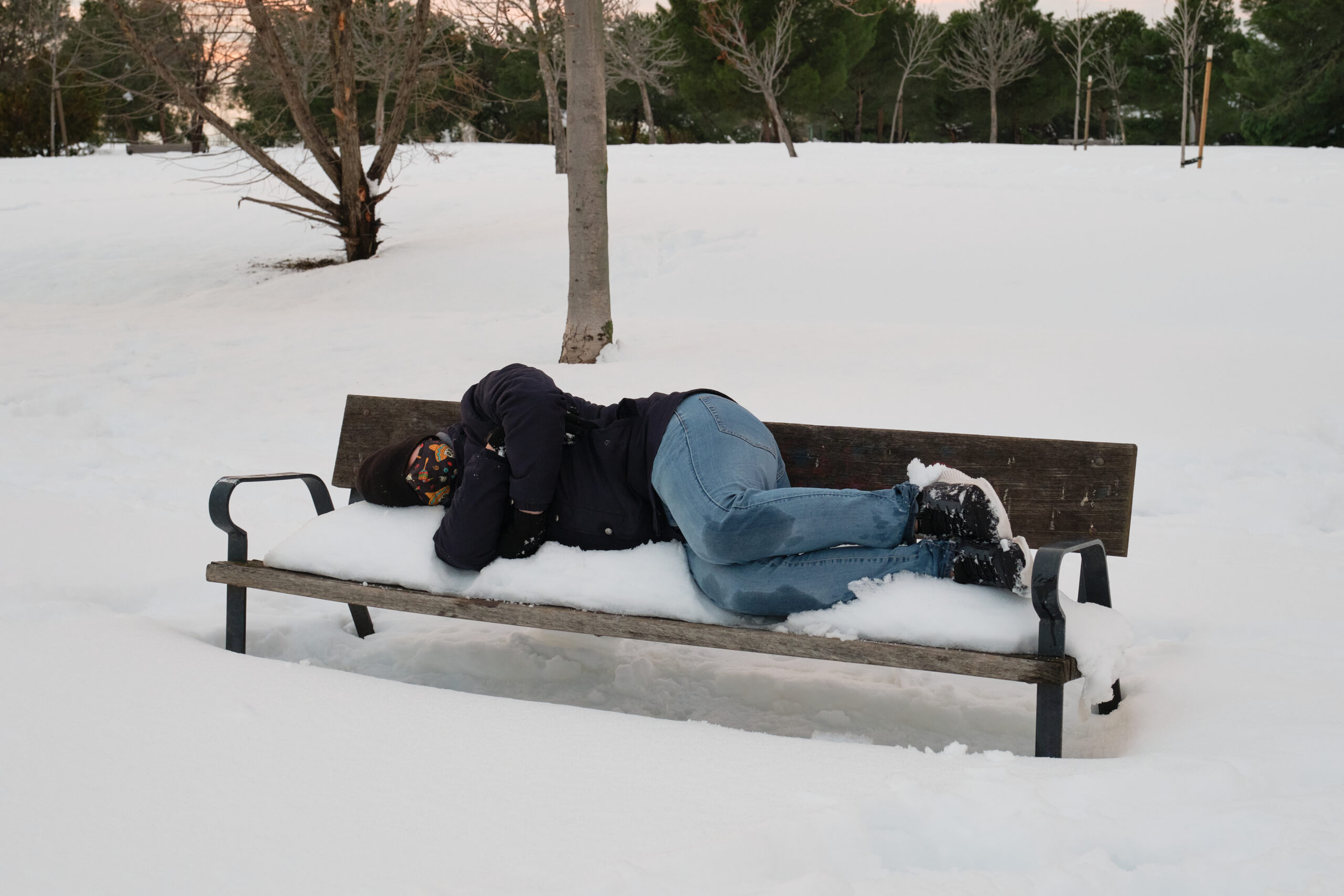
Loneliness and isolation increase premature death, especially among men
– Loneliness and social isolation increase the risk of premature death by 26 to 29 per cent, says Niina Junttila, researcher of loneliness and Professor of Educational Psychology.
– In a Finnish study, long-term loneliness and social isolation in men predicted the risk of premature death, especially from cardiovascular disease and cancer.
– Loneliness poses a greater risk for premature death than physical inactivity, obesity, air pollution, heavy smoking (15 cigarettes per day) or consumption of alcohol (six portions per day).
Asking for help can be really difficult sometimes.
Check if your loved one’s home emergency food supply is in order: make sure they have enough food, drink and, if necessary, medications for at least three days.
72 hours preparedness recommendationReport your concerns. It shows that you care.
Making a notification of concern
-
A notification of concern is made about an adult.
You can make a notification of concern about an adult if you are worried about their well-being, health or safety. You might be concerned about a person’s ability to manage at home or problems with managing their life.
-
Anyone of legal age can make a notification of concern.
You can also make a notification about yourself (if you are of legal age) or your family.
-
You can also make the notification of concern anonymously.
It is best if you can obtain consent from the person you are concerned about to make the notification, but you can also proceed without the consent and anonymously.
-
You can find the link to make a notification of concern on the website of your wellbeing services county.
There is no single national channel for making the notification, but the instructions and link for reporting concerns can be found from the website of your wellbeing services county. Your wellbeing services county is determined based on your home municipality.
-
The links for making the notification are also available on Suomi.fi and Maisa.
For some wellbeing services counties, you can also make a notification of concern on the Suomi.fi website. Search for ‘Huoli-ilmoitus’ in order to find the right links. If you use the Maisa patient information system you can submit the notification via the link on the Maisa homepage.
Loneliness poses a greater risk for premature death than physical inactivity, obesity, air pollution, heavy smoking (15 cigarettes per day) or consumption of alcohol (six portions per day).