
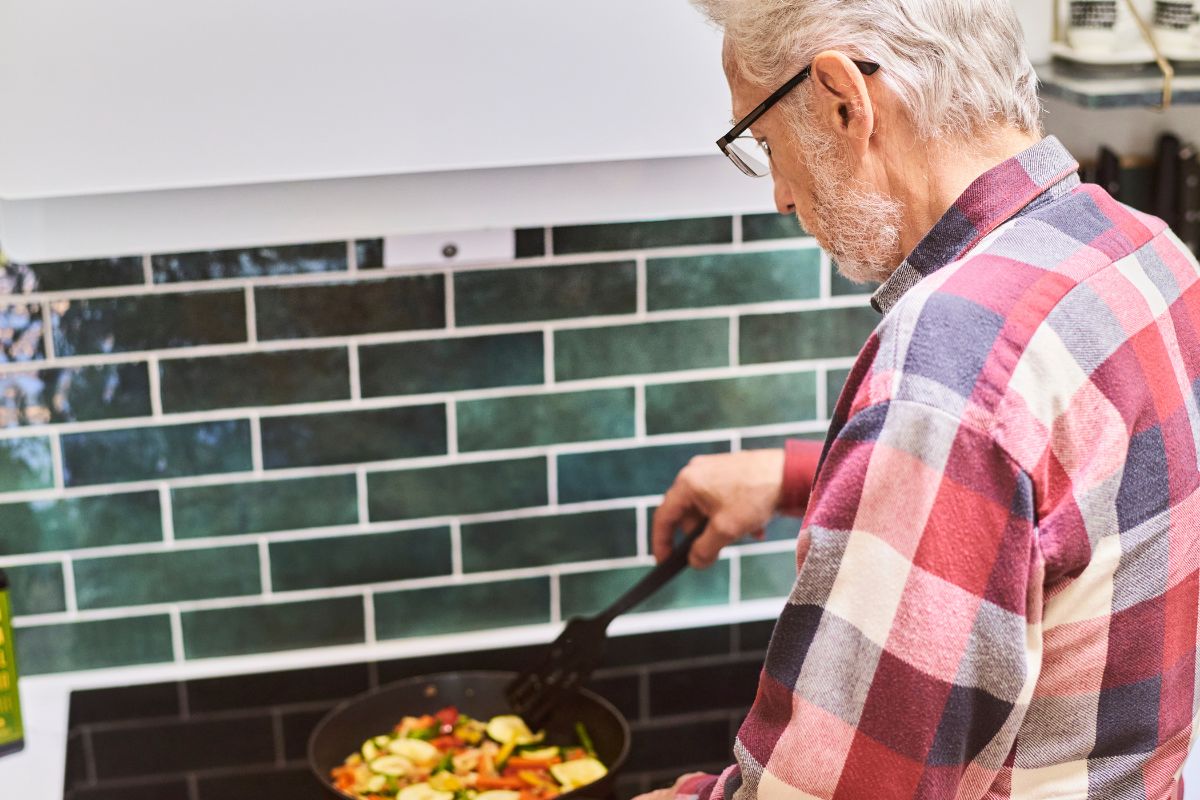
The stove is the most common source of electrical fires – safety devices are already mandatory in some homes
Most fires caused by electrical appliances start from the stove. The risk is higher especially in senior and service housing, as well as housing for special-needs groups where the residents’ ability to function has decreased. An expert from the Finnish National Rescue Association points out that in such cases, according to the standard governing electrical installations at home, stove safety devices – such as stove guards – are essential.
An oven mitt left on the stove, burned food stuck to the bottom of a pan or a hotplate that has been turned on by accident can cause a fire in the kitchen. Situations become particularly dangerous when the resident does not notice the danger in time.
“Careless use of stoves or hobs is the most common cause of electrical fires in homes and care institutions,” says SPEK’s fire prevention technology expert Lauri Lehto.
More than 800 fires a year are caused by stoves or ovens. The standard for electrical installations requires that new electric stoves and hobs in homes where the residents’ sensory perception and ability to function are limited must be equipped with stove guards. The stove guard cuts off the power to the appliance in case of a fire.
The standard specifies that this requirement applies to senior and service housing, as well as housing for special-needs groups. The requirement only applies to new stove installations.
“When a resident’s ability to function has declined due to advanced age, dementia, a disability, or substance abuse and mental health issues, for instance, the risk of stove fires increases, and the consequences can be serious,” Lehto points out.
Replacing a stove is not just a matter of installing a new one
The standard’s requirements regarding stove guards have been thoroughly implemented when installing new appliances at care institutions as well as in service housing and supportive housing. Elsewhere, the adoption of safety devices has progressed more slowly.
Fire prevention is important at every home. A model equipped with a child lock and a timer or an induction stove, for example, are safer options.
“Replacing the stove is a natural opportunity to assess the overall fire safety of the kitchen in every home,” Lehto notes.
Safety solutions should be selected based on the user’s sensory and functional abilities as well as the risks present in the living environment.
“There are risks in every home, and there are no external parties who will monitor safety on our behalf,” he points out.
There are several ways to prevent stove fires
Stove fires can be prevented not just by being careful, but also through technical solutions. In addition to stove guards, other options include induction stoves equipped with switches that ensure that the stove cannot be turned on accidentally, stoves with timers and safety devices that sound a loud alarm when they detect a fire.
“You can discuss the safest solution for your home or a specific location with a salesperson or an electrical contractor,” Lehto advises.
Stove safety devices are available at shops selling household appliances or safety supplies. In some municipalities, they are also available through social services.
More information:
SPEK has compiled instructions on fire safety for electrical and battery-powered devices. These instructions will show you how to charge and use your devices safely.