
Electrical appliances can cause fires, but fires can also be prevented by taking the correct steps.
Fire hazards are caused by the poor condition and lack of maintenance electrical appliance and by using the appliances carelessly and contrary to instructions.
If the appliance is not functioning normally, stop using it and take it for service.
Remember the following
- Read the user instructions and don’t throw them away.
- Keep an eye on the condition of the appliance.
- Vacuum the appliance and its surroundings to remove dust.
- In outdoor areas and wet spaces, only use appliances designed for this purpose.
- If you notice a problem or malfunction, stop using the appliance and take it in for service.
- Switch off power to electrical appliances whenever you are not using them.
- Be careful and keep a safe distance when using irons, grills, electric heaters and
other hot appliances. - Leave the installation and maintenance of electrical appliances to professionals. Electrical appliances can be repaired by professional installation and maintenance companies registered by the Finnish Safety and Chemicals Agency Tukes.
Do as follows
Click on the plus signs to expand the sections.
Always check the condition of the electrical appliance before connecting it to power. If you notice any of the following, take the device in for service:
- The appliance has cracks or other damage or dark spots caused by heat.
- The power cord is frayed.
While on, the appliance
- makes a strange noise
- becomes unusually hot
- smells of electricity
switch off the appliance and disconnect it from power.
Take it to a professional for service or replace it if the appliance is old. Most appliances will stay in good condition for a long time, as long as you remember to clean the appliance or replace/clean the filters often enough.
- Do not put the appliance in a place where it can get too hot: not next to a stove or other heat source, or under a blanket or pillow in bed.
- Keep enough space around the appliance to ensure ventilation and don’t block air vents.
- Do not place electrical appliances near flammable materials: keep electric heaters and irons away from the curtains, for example.
- Make sure from time to time that electrical installations in your home, such as wall lights and sockets are firmly installed as loose connections can cause a fire. If necessary, call in a professional electrician.
- Do not leave the stove on unattended.
- If you are away from home for longer, disconnect electrical appliances from power or disable the fuse if possible.
- Switch off the power to the appliance, including standby power for the night if possible.
- Don’t leave the house or go to bed with the washing machine running. Washing machines can cause a fire or water damage.
- Leave electrical installations to professionals.
- Do not try to repair a faulty appliance yourself but take it in for service.
- Inspect electrical installations that are in poor condition or otherwise suspicious.
- Electrical work may only be carried out by qualified electricians with the appropriate permits.
- Some minor electrical work can be done yourself if you are certain you can follow instructions and perform the work safely. Read the instructions on home electrical safety by Tukes from the link at the bottom of the page.
- Electrical appliances can be repaired by professional installation and maintenance companies registered by the Finnish Safety and Chemicals Agency Tukes. The link to the Tukes register is found at the bottom of the page.
- If an electrical appliance catches fire, first try to disconnect the appliance from power.
- You can also disable or pull out the fuse if you can’t shut off power by other means.
- If the fire has not spread too much, put it out with a hand-held extinguisher, fire blanket or thick mat or rug that isn’t made of plastic or synthetic fibre.
- Keep in mind that putting out a battery fire by yourself is more difficult than a normal fire.
- Call 112 for help.
- If you can’t put out the fire, get to a safe place and close the doors behind you.
- Do not connect extension cords to each other. When this is done, the load on the electrical outlet can become too high. Read the instructions on home electrical safety by Tukes from the link at the bottom of the page.
- An extension cord with several outlets can only be used to connect low-power appliances.
- Connect appliances directly to a wall socket rather than an extension cord if possible.
- Unplug the appliance from power by holding on to the plug, not by pulling on the cord.
- Do not step on electrical cords or leave cords between a cabinet or door.
- If the cord is damaged, stop using the appliances and take it in for service.
Instructions for different appliances
Stove and oven
Stove fires are the most common fire hazard in homes. Do not store anything on the stove or leave food cooking unattended.
- Stay close to the stove while cooking.
- Do not store items on the stove or in its immediate surroundings.
- Keep fire extinguishing equipment close by: fire blanket, hand-held extinguisher, pan lid.
- Clean the extractor hood regularly and replace the filter if necessary.
- Once the food has cooled, remove it from the stove.
- Always switch off the power after use.
- When deep frying on a stove, follow the instructions. Do not allow the oil to heat above 200 degrees. Use the most heat-resistant oil available.
- You can get yourself or a friend or relative a stove guard or other safety device for additional safety.
Washing machine and dishwasher
Do not turn on the appliance if you are going out or to bed.
- Do not leave the washing machine running unattended. This way, you minimise the risk of fire and water damage.
- Disconnect the appliance from the power outlet after use if possible.
- Turn off the tap after use.
- Clean the lint filter regularly.
Fridge and freezer
Remember to vacuum the back of refrigeration appliances from time to time.
- Ensure adequate ventilation around the fridge and freezer.
- Vacuum the dust near the fridge.
- Vacuum the back of the fridge and the floor under the back at least once a year.
- Do not place fridges or freezers in direct sunlight or next to a stove or other heat source.
- Do not install the appliance in unheated areas such as balconies, garages or storage sheds.
- If your fridge or freezer is leaking water, it’s a sign of a problem that should be checked and repaired immediately. Leaked water can cause a fire hazard if it comes into contact with the electrical parts of the appliance.
Lights and lamps
- Keep lamps and lights clean of dust.
- Replace expired or flickering bulbs immediately.
- Make sure that lamps and lights are at a safe distance from flammable materials such as curtains.
- Do not use a light bulb that is more powerful than the recommendation for the lamp.
- Follow the instructions for the installation and use of halogen lamps.
- When installing LED lights, follow the installation and user instructions and use only technically compatible parts, such as a correctly sized adaptor.
TV
- Ensure adequate ventilation around the TV. Do not cover the TV ventilation slots.
- Regularly vacuum dust from the top of the TV and around the ventilation slots.
- Switch off the standby power for the night and when you leave home for extended periods if possible.
- Avoid damaging or vibrating the TV.
- Take a malfunctioning TV to a service centre.
Clothes iron
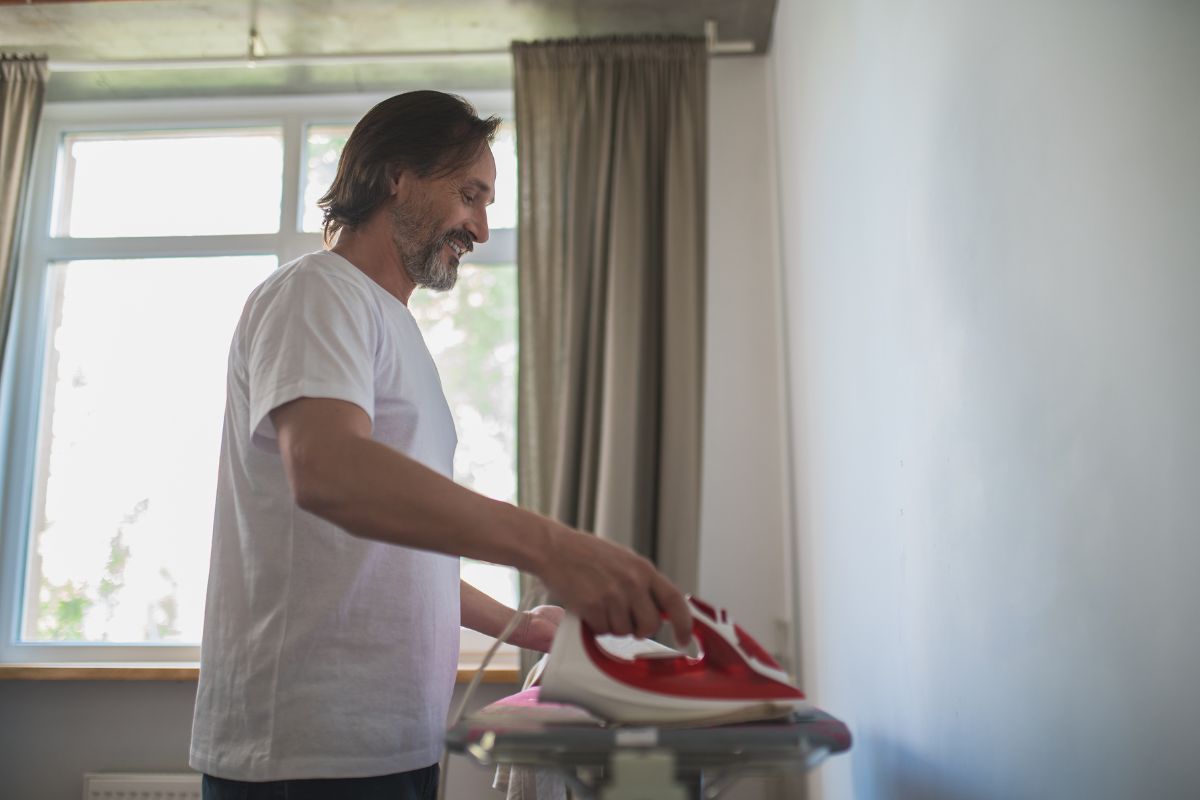
- Unplug the iron from power when you are not using it or when you leave it unattended.
- Always set the iron in an upright position when you aren’t using it.
- Unplug the appliance from power by holding on to the plug, not by pulling on the cord.
- After use, allow the iron to cool down on a heat-resistant surface away from flammable materials.
Central vacuum unit
- Empty the unit from dust and clean the filter regularly.
- Install the unit in a place where it is easy to service and where there is a low risk of fire.
Electric heaters
Do not cover electric heaters.
- Do not cover the heater.
- Do not dry laundry on the heater.
- If using a portable heater, position it so that it cannot tip over.
- Ensure that objects or liquids cannot fall on the heater.
- Do not place the heater too close to curtains, furniture or anything flammable. Check the instructions for the safe distances of the heater.
- If the thermostat breaks, have it repaired.
Car heater
- Repair or replace a faulty time switch.
- Position the interior heater according to instructions.
- Use only interior heaters intended for cars..
- Use a portable residual current device if necessary.
Saunas and sauna heaters
Do not dry clothes or store unnecessary items in the sauna room. Doing so may cause a fire.
- Do not dry clothes in the sauna room.
- Do not store anything in the sauna room.
- Make sure that there isn’t anything flammable near the stove when you start heating the sauna.
- Make sure that the stove has the right amount of stones according to instructions.
- Replace the stones often enough according to the manufacturer’s instructions.
- Have the resistors and controls repaired if they are damaged or malfunctioning.
If the sauna is not used for its intended purpose, disable or lock the fuse for the sauna.
The housing company must give instructions to the residents on the safe use of the sauna room and heater.
Converting a sauna permanently to other use
If the sauna is permanently used for any other purpose, disconnect power to the sauna heater so that it cannot be switched back on without tools or a key.
Installing the sauna heater
When installing the sauna heater, user safety must be taken into account.
- Follow the manufacturer’s instructions and safe distances when installing the heater.
- Ensure that compatibility between the heater and its controls is verified and documented.
- Before using the sauna heater, read the instructions and learn the features and operation of the controls.
Battery-powered devices
Read about fire safety of battery-powered devices.
Solar power systems
Click on the plus sign to expand the sections.
Look after the safety of solar panels. Solar power systems also require regular maintenance.
- The system must be designed and installed by qualified professionals.
- Make sure that you receive the installation documentation, data cards and maintenance instructions from the installer of the solar power system and that the documents are kept up to date.
- It’s recommended to draw up a service and maintenance schedule for the solar power system.
- Visually inspect the overall condition of the solar panels regularly.
- Check the condition of the panels regularly and especially after a storm, for example.
- Carefully remove any dirt, leaves, twigs and debris. They can damage the panels and cause a fire.
- Assess the need for snow removal with a professional and take the necessary safety measures when working on a slippery roof.
- If the equipment appears damaged, contact the system supplier.
Read more on Motiva’s website. The links are at the bottom of this page.
Ensure the following:
- The system must be designed and installed by qualified professionals.
- Electrical equipment and components used in the installation must be compatible and comply with requirements and standards.
- The system must be inspected by a professional electrician before use. Commissioning inspection reports and other documents must be delivered to the owner of the system.
- The system is equipped with the appropriate markings on the use and identification of the system.
- The system must be maintained in accordance with instructions.
Appropriate markings improve the safety of persons involved in the system’s maintenance and operation, including inspectors, technicians and rescue personnel.
Read more on Motiva’s website. The links are at the bottom of this page.
The user instructions must contain instructions for de-energising the system and on the use of possible battery packs. Appropriately written instructions must address user safety, service and maintenance measures, monitoring the condition of the system and visual inspections, and maintenance requiring professional technicians.
Tukes instructions for electrical installations
Make sure that the service provider or its subcontractor it has the necessary permits to perform electrical installations.
Household plug-in connections
When renovating electrical installations, consider changing the outlets for ceiling lamps, stoves and ovens from connector strips to plug-in connectors.
Doing so makes it easier to replace lamps and appliances.
For ceiling lamps, a plug-in connector can be installed to replace the connector strip. It’s recommended to let a professional electrician perform the change. In order for the tenant to install a ceiling lamp, there must be a power outlet intended for the lamp in the ceiling.
When installing a stove, it’s possible to use a stove outlet that makes it easier to install or replace the stove or other kitchen appliance.
Battery energy storage systems
Click on the plus sign to expand the sections.
Battery energy storage systems can be connected to a solar power system, for example.
Energy storage batteries must be maintained by a professional.
Residents should be instructed on the location of energy storage batteries and what to do if something out of the ordinary is detected during operation.
Energy storage batteries should be placed in a secure space, such as the electrical room of the building, a separate battery room or a cabinet for batteries. If necessary, the enclosure must be lockable and identifiable from the outside.
When placing storage batteries, it is also important to ensure that the space has adequate ventilation and no extreme temperatures. The optimal temperature is close to normal room temperature.
When planning the placement of energy storage batteries, the possibility of vandalism and adequate ventilation of exhaust air outside the building need to be considered. This way, any toxic fumes produced in a fire can be directed away from the building’s interior.
External hazards to energy storage batteries include environmental conditions as well as high humidity and water, corrosion, fire or high temperatures, damage caused by external impact and vandalism.
The installation data sheet must contain instructions on the safe use of the energy storage batteries and what to do in different situations. For more information, see the section on the installation and maintenance of solar power systems.
Links to the standards can be found at the bottom of the page. The standards cover protective devices, locking and evacuation from the premises. (Standard SFS 6000 Low-voltage electrical installations)
For detailed instructions, contact our partners
This webpage has been produced in cooperation with the Finnish National Rescue Association SPEK, Sähköinfo, the Finnish Safety and Chemicals Agency Tukes and Finance Finland.
The page contains basic information on how to improve fire safety in homes and housing companies. For detailed information on the requirements for electrical installations and other specialised topics, please contact our partners.
Please see the links below for more instructions.
Read more about home electrical safety:
Read more about the fire safety of solar power systems:
- Motiva: Fire safety of solar power systems (in Finnish)
- Motiva: Solar power safety handbook (in Finnish)
- Motiva: Solar power systems (in Finnish)
- SPEK: Fire safety and risk management of solar panels (in Finnish)
- SPEK news article: The fire safety of solar panels can be improved by the user
- Fire safety guidelines for solar power systems by Pelastuslaitosten Kumppanuusverkosto (in Finnish)